| |
| Thursday, 08 October 2026 |
| Bottoms Up - The Story of Alcohol in Art |
| Ian Swankie |
 |
Since the early Romans and Greeks, alcohol has been an important subject for artists. The way drink and drink-ing are depicted, the social messages portrayed, the happy and unhappy consequences and how alcohol affected the lives of many artists, their families and friends. |
|
| Thursday, 10 September 2026 |
| 18th Century England though the Eyes of Canaletto |
| Nick Salmond |
 |
Canaletto spent ten years living in London, producing wonderful landscapes of the city and its surroundings. The lecture explores his time in the capital and looks at how his style changed during his long visit. How the views that he captured have changed over the centuries. |
|
| Thursday, 11 June 2026 |
| The Art of the Japanese Garden: from Tradition to Modernity |
| Marie Conte-Helm |
 |
This lecture introduces some of Japan’s most famous gardens and provides a context for understanding the principles of Japanese garden design as it has evolved over the ages. The Japanese love of nature and the changing seasons has manifested itself in paintings and in the intimate and grand-scale gardens surrounding aristocratic palaces and Buddhist temples, as well as Zen-inspired dry landscape gardens with their strikingly symbolic content. Nature and artifice are intriguingly combined in such examples to capture the very essence of the landscape.
Marie Conte-Helm is a long-established Arts Society Lecturer with a BA in History of Art and an MA in Asian Art and is a Fellow of the Royal Society of Arts. She was Director General of the Daiwa Anglo-Japanese Foundation from 1999-2011 and has held senior academic posts at various UK universities. She has most recently served as Executive Director of the UK-Japan 21st Century Group, and as a member of the Board of Governors of the University for the Creative Arts. |
|
| Thursday, 14 May 2026 |
| A Village in Heaven: Stanley Spencer’s Cookham |
| Amy Lim |
 |
Few artists are as rooted in place as Stanley Spencer and his beloved home village of Cookham. This Thames-side village was not only his birthplace, his home for most of his life and even his nickname, but it dominated his imagination and was the inspiration and location for many of his greatest paintings. This lecture will look at Cookham’s place in Spencer’s art and how it was central to his unique vision of English domestic and spiritual life.
Amy Lim is an art historian and curator, specialising in British fine and decorative arts from the seventeenth to twentieth centuries. She is curator of the Faringdon Collection at Buscot Park, Oxfordshire, and of the Stanley Spencer Gallery, Cookham, and a tutor at the Oxford University Department for Continuing Education. She was recently an exhibition researcher at Tate. |
|
| Thursday, 09 April 2026 |
| The Industrial Revolution & The Decorative Arts |
| Andrew Spira |
 |
The Industrial Revolution had a profound impact on the decorative arts, bringing commodities that had previously been associated with the nobility within reach of the ever-growing middle-class. New inventions enabled an increased quantity of goods to be produced at a reduced cost which led in turn to completely new attitudes towards lifestyle that continue to pervade our everyday lives.
Andrew Spira worked at the Temple Gallery, London (specialists in Byzantine, Russian and Greek icons) and as a curator at the Victoria and Albert Museum. He has written books on the relationship between Russian icons and Russian Avant-Garde art and between art and personal identity. |
|
| Thursday, 12 March 2026 |
| The Loose and Airy Lightness of Flowers: Grinling Gibbons and his Carvings in Wood |
| Justin Reay |
 |
Perhaps the best sculptor in wood ever to lift a chisel, Grinling Gibbons rose from an obscure apprenticeship in Rotterdam to reach the height of his profession in England, collaborating with Wren and Vanbrugh and becoming King’s Carver. Much of his work survives in country houses, large churches and state apartments. This talk describes Gibbons’ life and career and discusses the techniques he used to create an illusion of reality.
Justin Reay is a published historian and a tutor in the History of Art and Architecture and classical studies. He is currently writing a university preparation course on the history of innovation and the impact of Artificial Intelligence on human creativity, and is a frequent lecturer for The Arts Society, with a wide range of talks and study days on art history, painting, sculpture and architecture across cultures from antiquity to the modern era. |
|
| Thursday, 12 February 2026 |
| The Three Great Game Changers of 19th Century Opera: Verdi, Wagner and Puccini |
| Jamie Hayes |
 |
The world of opera is full of great game changers who leave the stage in a completely different place from the one they found. In the 19th century three men revolutionised the art form in three different ways: Verdi, Wagner and Puccini. From the romantic heartbreakers of La Traviata and Rigoletto via the mystery and magic of The Ring Cycle to the breathtaking melodramatic tearjerkers of Tosca and La Boheme. Enjoy their innovative dynamic and thrilling theatricality. This illustrated lecture will highlight the great opera productions.
Jamie Hayes trained at RADA Jamie graduating as a Stage Manager and subsequently worked for Glyndebourne Festival Opera, Bristol Old Vic and the BBC. He has directed many new opera productions in the UK and overseas. He was Associate Director on the original production of the hit musical Miss Saigon in the West End and on Broadway. He has directed productions in all the major UK conservatoires and was Director of Productions for British Youth Opera for over a decade. |
|
| Thursday, 08 January 2026 |
| The Art of The Cartoon |
| Harry Venning |
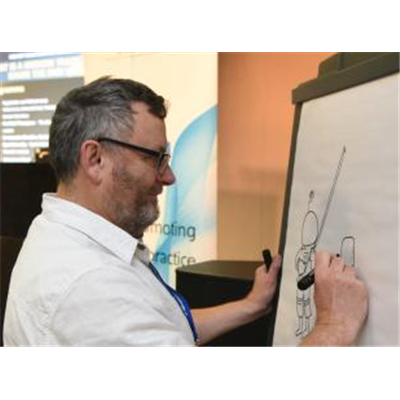 |
Harry has been a professional cartoonist for thirty-five years (The Guardian, Radio Times) and was awarded UK Strip Cartoonist of the Year for his Guardian strip, Clare in the Community. He traces the history of his profession through the work of artists who have made an impact upon language, culture and history. These include James Gillray, Charles Schulz, Herge (Georges Remi), Posy Simmonds and Alison Bedchel. He will also be drawing. and demonstrating tricks of the trade.
Harry Venning is a cartoonist, comedy writer and performer based in Brighton. His cartoons have appeared in diverse publications. For twenty-five years he provided The Guardian with the weekly strip cartoon ‘Clare In the Community’, about an unaware and empathy free social worker. In 2004 he developed this into a successful BBC Radio 4 sitcom starring Sally Philipps. He tours his cartoon work-shop around schools, theatres, arts centres, cruise ships and festivals. |
|
| Thursday, 11 December 2025 |
| A Right Royal Christmas: How our Royal Families have celebrated Christmas through the Ages |
| Roger Askew |
 |
William the Conqueror made sure of his claim to the English throne by being crowned in Westminster Abbey on Christmas Day 1066. Feasting on a spectacular scale characterized medieval Christmases’ and extravagant presents like the camel and pelican given to Richard II by the City of London. Mrs Thatcher sent the Queen a pair of washingup gloves, having seen Her Majesty doing the dishes without any.
Roger Askew was a chorister at Wells Cathedral School and a choral scholar at Magdalen College, Oxford, where he graduated with an honours degree in English. He combined a teaching career with professional singing in London, and after obtaining a further degree in Music became Director of Music at Daniel Stewart’s and Melville College in Edinburgh. After retiring in 2003 he returned to the south of England. He is President Emeritus of The Stoke Poges Society. |
|
| Thursday, 13 November 2025 |
| The Art of Art Deco |
| Pamela Campbell-Johnston |
 |
Art Deco has the reputation of being the most glamorous and popular style of the 20th century which was prevalent during the 1920s and 1930s. We will review the development of the style within the context of its social and economic environment and look at specific examples of objets d’art, including silver, jewellery, furniture, ceramics, clocks and architecture.
Pamela Campbell-Johnston has over 30 years experience of lecturing. She has also conducted numerous guided tours, residential trips and focused gallery talks on individual works of art, specialising in British Domestic Architecture and Modern British Art - with a particular love for the 1920s and 1930s. |
|
| Thursday, 09 October 2025 |
| Viking Gods and Valkyries: The Art of Norse Mythology |
| James Vaux |
 |
Why do we always see depictions of Greek and Roman deities in museums but never the Viking ones? Yet the Norse gods and goddesses are ubiquitous in popular culture such as cartoons, films and video games. The lecture explores over 1,500 years of Norse Mythology in the fine and decorative arts to find the answers … some surprising and even sinister. Included are Viking-age artifacts, British oils and sketches by Fuseli and Blake, paintings from the Danish Golden Age, and the Swedish Royal Academy and more modern works by Hilma af Klint and Anselm Kiefer.
James Vaux is a researcher and lecturer specialising in Nordic arts, culture, design and history. His talks focus on understanding art through its historic, cultural and political context. He lectures and provides study days focusing on Scandinavian arts and design, Danish landscape painting and mid-century furniture, Norse mythology, Icelandic culture, the Modern Breakthrough in Nordic painting and the role of modernism in the Cold War. |
|
| Thursday, 11 September 2025 |
| Charles I: King and Collector |
| Barbara Askew |
 |
Celebrates the 400th anniversary of Charles I’s accession to the throne in 1625. His obsession for collecting works of art began when as a 22-year-old prince, he travelled to Spain and saw the magnificent collection of the Spanish king Philip IV. On becoming king in 1625 Charles pur-chased the fabulous collection of the Gonzaga Dukes of Mantua, including works by Titian, Raphael and Mantegna’s astonishing series of paintings “The Triumphs of Caesar”.
Barbara Askew is a historian and has been a London Blue Badge Guide since 1988. She is a Lecturer, Examiner and Course Director on Blue Badge Guide Training Courses and an acknowledged expert on Royalty and Windsor Castle. She is the only Blue Badge Guide accredited to guide the Albert Memorial and offers guided visits and walking tours linked to her lectures. |
|
| Thursday, 12 June 2025 |
| Cash for coronets: an architectural legacy |
| Mark Meredith |
 |
Between 1870 and 1914, at the height of America’s Gilded Age, no less than 454 heiresses exchanged their crisp new American dollars for musty, old European titles. Aside from the new lease of life those dollars now afforded the previously cash-strapped aristocrats, they were primarily put to use restoring their crumbling ancestral piles – many of which today we count among our best-loved national treasures. In this talk, we’ll take a look at some of the more prominent of those stately homes and their fairy-dollar godmothers. We’ll discover the frequently eye-opening stories surrounding how the dollars were made; how the couples were matched; and, how the money was spent on the houses that are their often-overlooked architectural legacy.
Mark Meredith is the founder of HouseHistree.com and lectures regularly in Europe and the United States. After leaving Stowe School, Mark worked for twenty years as a plumber in London. However, his real passion has always been history, and he delights in 'telling a story’, not 'giving a lecture'. Packed with facts and laced throughout with humour, he takes a particular joy in bringing to life the stories behind the people that shape houses. |
|
| Thursday, 08 May 2025 |
| Donatello: Renaissance Genius |
| Paula Nuttall |
 |
Donatello is one of the artistic giants of the Renaissance and has been called the greatest sculptor of all time. Outstandingly original and inventive, working in a range of media, he pioneered the new style that emerged in Florence around 1400, transforming the visual language (and the visual landscape) of his native city through a range of sculptures both public and private, including for the Medici. This lecture surveys his career, highlighting Donatello’s versatility and innovation in works made for patrons in Florence, Siena and Padua.
Paula Nuttall is a specialist in Italian and Northern European Renaissance art and is a lecturer at – among others – the Courtauld Institute and the British Institute of Florence. She has also collaborated on major exhibitions including Jan van Eyck: an Optical Revolution (Ghent, 2020) and has published widely, notably From Flanders to Florence: the Impact of Netherlandish Painting 1400-1500 (Yale, 2004). |
|
| Thursday, 10 April 2025 |
| George Villiers, Duke of Buckingham – the handsomest man in 17th century Europe and his patronage of the arts |
| Lucy Hughes-Hallett |
 |
George Villiers, Duke of Buckingham, was the favourite of King James I - who addressed him as ‘my sweet child and wife’ - and subsequently chief minister to King Charles I. Buckingham was a beauty, and he surrounded himself with beautiful things. He enjoyed exquisite clothes, like the fabulous white silk suit encrusted with diamonds that he wore to visit the Queen of France. He was a superb dancer. When he cut capers during a court masque King James startled visiting ambassadors by shouting out ‘By God, George, I love you!’ He was a discerning patron. Inigo Jones renovated his houses. John Tradescant was his garden designer. In his great house on the Strand he put together a collection of art works as fine as King Charles’s.
At the age of 35 Buckingham was murdered. His collection was scattered, but contemporary inventories allow us to reconstruct it. I will show you some of the magnificent paintings he owned - the Titians, the Tintorettos, the Veroneses. But Buckingham was not just a collector of old masters: he was also a patron, commissioning boldly innovative new work. Most remarkable are the portraits of himself that he commissioned from painters including Van Honthorst, Van Dyck and Rubens – images by great artists of a man known as ‘the handsomest-bodied man in Europe’.
Lucy Hughes-Hallett is a Fellow of the Royal Society of Literature and of the Historical Association. She has written on books, theatre and the visual arts for publications including The Sunday Times, The Guardian, The Observer, The New Statesman and the TLS. She was Chair of the Judges for the 2021 International Booker Prize. Her book on the Duke of Buckingham, The Scapegoat, will be published by Fourth Estate in October 2024. She also writes fiction. Her novel, Peculiar Ground, is largely set in the 17th century, and narrated by a landscape designer loosely based on the diarist John Evelyn. |
|
| Thursday, 13 March 2025 |
| The Hazards of the Journey: Travel and Pilgrimage in the Middle Ages |
| Imogen Corrigan |
 |
What possessed people to trudge hundreds of miles, often in appalling conditions and sometimes perishing on the way? This lecture considers this question and also how there was a shift from spiritual wandering in the Anglo Saxon period to religious tourism in the days of Chaucer’s pilgrims. It also looks closely at travel in general and the hazards of the journey: how did people organise themselves for long journeys and how safe was it? How should they provide for themselves and where might they find help? From maps and motivation to souvenirs and shrines, this lecture discusses travel in the round as well as specifically for spiritual reasons.
Imogen Corrigan went to the University of Kent to study Anglo-Saxon & Medieval History and Art, After nearly 20 years in the British army. She works as a freelance lecturer across Britain and Europe as well as lecturing on small cruise ships and running study tours and courses on land. She has written Stone on Stone: The Men Who Built the Cathedrals, published 2019. She is a Freeman of the City of London, and advisor on memorials and monuments for Canterbury's Diocesan Advisory Committee. |
|
| Thursday, 13 February 2025 |
| Frida Kahlo and Diego Rivera: The Golden Age of Mexican Painting |
| Chloe Sayer |
 |
Frida Kahlo (1907-1954) and Diego Rivera (1886-1957) have iconic status in Mexico. Rivera's intricate visual narratives, rich with allegory and symbolism, adorn the walls of public buildings. Inspired by Aztec and Maya imagery, and by early Italian fresco painting, his vast murals combine social criticism with faith in human progress. Kahlo's work, unlike Rivera's, is small in format. Arguably Mexico’s most original painter, she made herself the principal theme of her art. Her paintings reflect her experiences and dreams. This lecture surveys the work of both artists; it chronicles their turbulent marriage and Mexico's history after the 1910 Revolution.
Chloe Sayer is a freelance specialist in the art and culture of Latin America. She has curated exhibitions and assisted on TV documentaries for BBC and Channel 4. She has made collections in Mexico and Belize for the British Museum and is Research Associate in the Department of World Cultures at the Royal Ontario Museum. In 2016 she was awarded the prestigious Ohtli medal by the Mexican government for her long-standing commitment to Mexican culture. |
|
| Thursday, 09 January 2025 |
| The Devil's Acre: Low Lives and High Ideals in regenerating Victorian London |
| Charlie Forman |
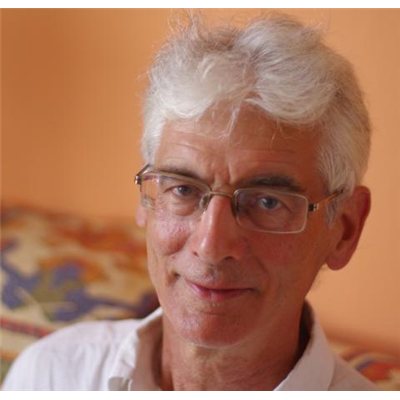 |
Follow the struggles to clear Victorian London of its most notorious slums like the Devil’s Acre. Sitting on land mostly owned by nearby Westminster Abbey Charles Dickens fulminated that this slum ‘rolled its filthy wavelets up to the very walls’. The lecture tracks its formation, its conditions, and its people – hawkers and beggars who had been drawn to the city from the impoverished countryside. What was the solution? Smashing a road through it didn’t work, nor did vociferous campaigning or the charity of wealthy philanthropists. The eventual demolition and rebuilding of the area in the 1880s is a fascinating story – housing built then by the Peabody Trust’s renowned architect Henry Derbyshire still stands today. But those beggars and hawkers were replaced by ‘deserving’ tenants. The reformer Octavia Hill championed an alternative approach to the poor which this talk also covers. Often criticised as ‘maternalistic’ this overlooks her prescient understanding of neighbourhood regeneration and her part in founding the National Trust.
Charlie Forman is a London walking tour guide and lecturer, who highlights the social, architectural, and artistic history of his home city. His talk focuses on the forces that have shaped and changed London and the artistic and cultural heritage that this has given us. After many hundreds of walks and a four-decade long career in housing and regeneration he has absorbed a deep understanding and appreciation of the capital. During the build-up to the 2012 Olympic and Paralympic Games he played a role in channelling potential long-term benefits into surrounding East London communities. His publications include Spitalfields: A battle for land. |
|
| Thursday, 12 December 2024 |
| 300 years of Christmas at Covent Garden |
| Sarah Lenton |
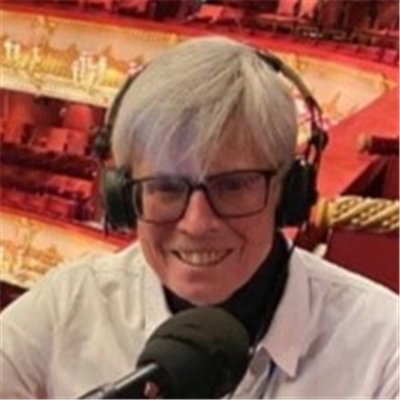 |
Christmas spectacles, slapstick, and beanstalks have been drawing crowds to Covent Garden since 1737. John Rich, the first manager of what is now the Royal Opera House, was a fine dancer, mime, and special effects man and he (and his successors) developed all the well-known features of the London Christmas season. Even now principal boys, fairies, and Harlequin are alive and well on the ROH stage. This lecture pulls together the whole performing tradition and brings it up to date with the latest Christmas offerings at the Royal Opera House.
Sarah Lenton has spent her working life in the theatre: her principal employers are the Royal Opera House, English National Opera, Glyndebourne Festival Opera and Garsington Opera. She writes programme articles, radio and play scripts, gives lectures on the operas and ballets in the rep. and broadcasts regularly for BBC Radios 3 and 4. She is also a cartoonist. |
|
| Thursday, 14 November 2024 |
| The World’s Greatest Paintings: 200 Years of the National Gallery |
| Simon Whitehouse |
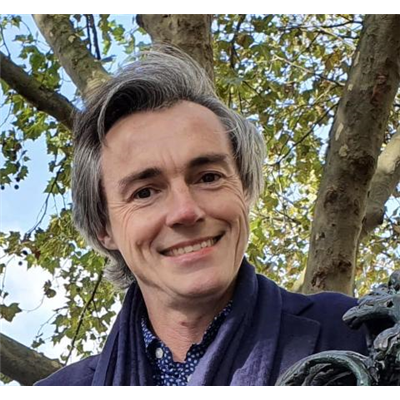 |
2024 marks the bicentenary of the founding of the National Gallery. This lecture tells the story of the establishment of the NG collection beginning in 1824 when Lord Liverpool’s government purchased 38 paintings for £57,000 from the collection of businessman and philanthropist John Julius Angerstein. The paintings were initially displayed at 100 Pall Mall, Angerstein’s townhouse and by 1838, it was decided that a purpose-built building was required, giving us the William Wilkins designed building we know and love on Trafalgar Square. During the course of the lecture we examine some of the high (and low) points of the early years of the gallery including suffragette sabotage, bombs and theft. We also take a close up look at some of the original "Angerstein 38” paintings.
Simon Whitehouse is an actor, lecturer, presenter and award-winning London Blue Badge guide. He has worked as a guide lecturer in-house at Shakespeare’s Globe, the Royal Opera House, the BBC and the National Gallery, guiding both public and private tours. He is on the faculty of Ithaca College and lectures for the Blue Badge Guide training course on the performing arts and English literature. Simon’s specialisms and passions are theatre, literature, fashion, and art history. |
|
| Thursday, 10 October 2024 |
| World-Famous Photographs: Images that shaped our culture |
| Brian Stater |
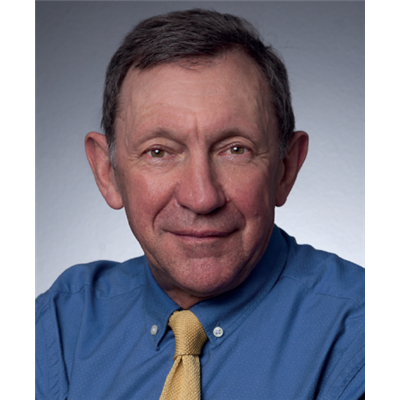 |
This lecture examines a series of iconic photographs that are embedded in our collective memory. They range from records of historic events to fabulous portraits and scenes of emotional release and joy. The talk analyses the power of these images, traces the fascinating stories of how they came to be produced, and places them in the context of our appreciation of art.
Brian Stater lectured at University College London for 25 years, retiring in 2021 as a Senior Teaching Fellow. His principal academic interest lay in the appreciation of architecture, and he has a lifelong enthusiasm for photography. He has written on architecture for a wide range of publications and an exhibition of his own photographs was held at UCL. |
|
| Thursday, 12 September 2024 |
| Murillo and Baroque Seville: the City of Faith, Art and Empire |
| Isabelle Kent |
 |
Murillo is an artist often labelled as 'cute' and 'saccharine'. This lecture will show a different side to him by exploring his brilliant art in the context of 17th century Seville. Seville was the ‘Gateway to the World’, a trading hub full of treasures from the New World. It was also a centre of Catholic ideas that would be exported around Spain’s great empire. By looking at Murillo’s greatest works we will see how his art blends faith and empire, from his grand cycle in Santa Maria la Blanca to his small works painted on imported Aztec mirrors.
Isabelle Kent is an academic and educator specialising in the baroque, with a particular focus on Spain and its empire. From 2017 to 2019 she worked as the Enriqueta Harris Frankfort Curatorial Assistant at the Wallace Collection and in 2020 her book Collecting Bartolomé Esteban Murillo in Britain and Ireland was published by CEEH. She also teaches for the V&A, Art Fund, Royal Academy, Chelsea Arts Club, Wallace Collection and University of Cambridge. |
|
| Thursday, 13 June 2024 |
| The splendours of the City Churches (includes Medieval, Wren and post-Wren churches) |
| Tony Tucker |
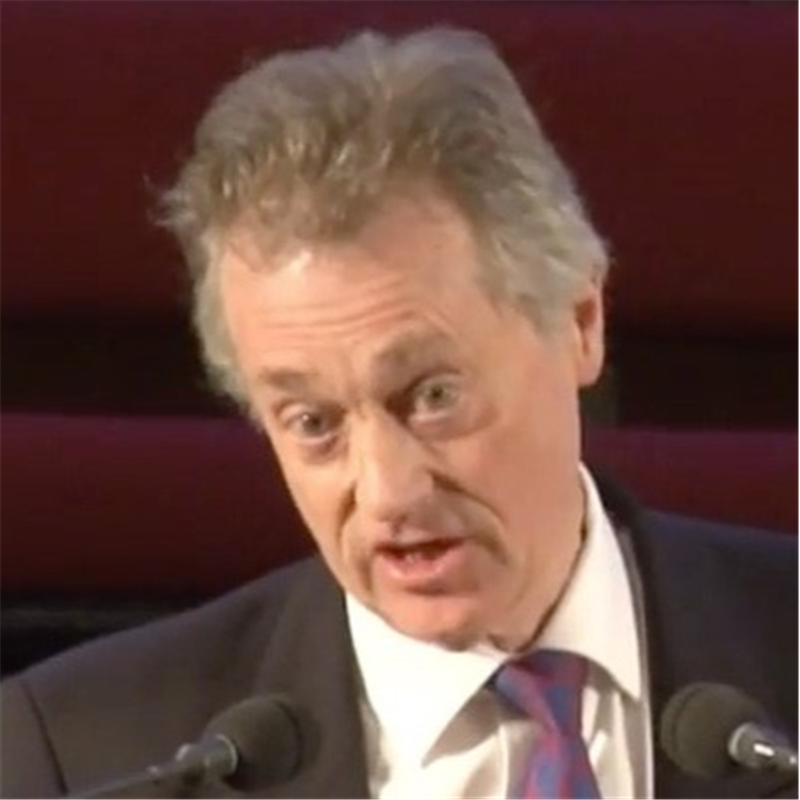 |
This lecture describes the immense variety of the Norman, Gothic, Wren and post-Wren churches in the City of London. In addition to their architectural merit, these churches contain hidden treasures – the monuments, paintings and woodcarvings of great craftsmen of the time. The lecture also includes stories of the many people connected with the churches - medieval kings and queens, religious leaders, great statesmen and explorers, poets, playwrights and novelists, and modern film-stars and personalities.
Tony Tucker has an MA in Modern History from Oriel College, Oxford, Qualified City Guide and former Chairman of the City of London Guide Lecturers Association and Trustee of the Friends of the City Churches (FCC). Lectures to various City institutions, the FCC, U3A, and various historical associations. Leads regular guided walks for the City of London Corporation, the Friends of the City Churches and numerous private groups. Publications include The Visitor’s Guide to the City of London Churches (2006) and regular contributions to Cityguide magazine and the FCC Newsletter. |
|
| Thursday, 09 May 2024 |
| A Highland Thing? 18th to 20th Century Scottish Art |
| Rosalind Whyte |
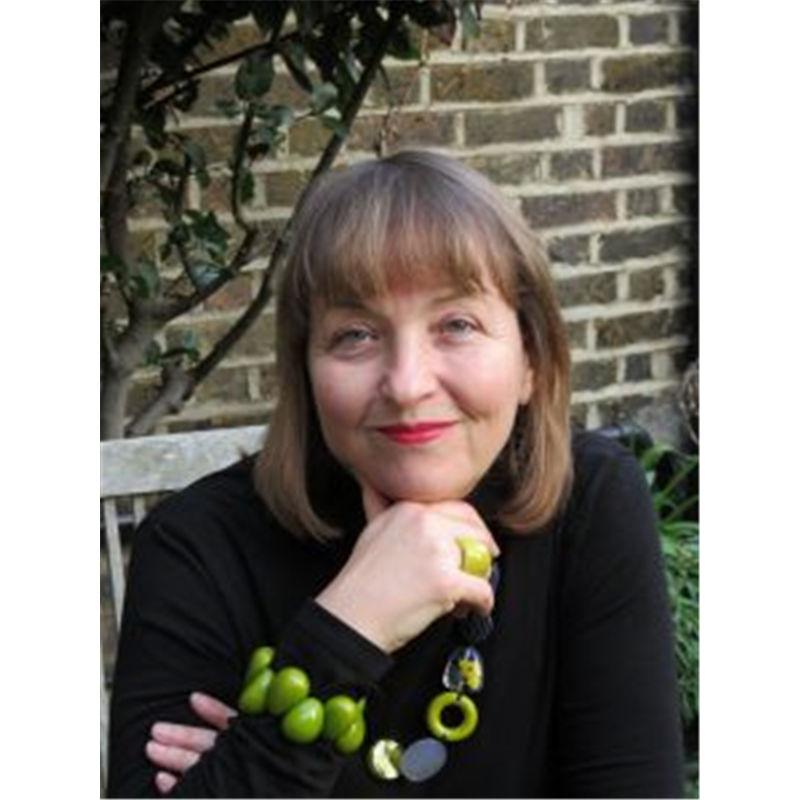 |
For many years Scottish artists found it necessary to travel south to make their names and careers in art, but with the increasing importance of the cities of Edinburgh and Glasgow from the end of the 18th Century, an independent Scottish art scene became possible. These developments will be traced through individuals such as Sir Henry Raeburn, the first artist to find success whilst remaining in his native Scotland, and Sir David Wilkie, important as one of the first to truly export Scottish art. This lecture will also look at the parallels between Scottish and other European art, as well as periods of divergence, touching on art movements such as the Glasgow Boys and the Scottish Colourists.
Rosalind Whyte has a BA and MA from Goldsmith’s College, and an MA (distinction) from Birkbeck College. Experienced guide at Tate Britain, Tate Modern, the Royal Academy and Greenwich. Lectures at Tate, to independent art societies and on cruises. Leads art appreciation holidays. |
|
| Thursday, 11 April 2024 |
| The Art of Rabindranath Tagore |
| John Stevens |
 |
Rabindranath Tagore (1861-1941) is arguably the most important Indian artistic figure of the modern era. The first Prime Minister of India, Jawaharlal Nehru, claimed that he had two gurus: Gandhi and Tagore. A renowned poet, novelist, composer and painter, Tagore is also the only person in history to have written the national anthems for two countries (India and Bangladesh). He became a global sensation when he won the Nobel Prize for Literature in 1913, the first non-European to do so. This lecture provides an introduction to Tagore’s remarkable life and work, including his novels, poetry, songs and paintings. It also explores the role Tagore’s art played in the story of India’s fight for independence.
Dr John Stevens gained his PhD in History from UCL, before going on to teach British Imperial History, Indian History and Bengali Language at the School of Oriental and African Studies (SOAS, University of London). His biography of the Indian guru Keshab Chandra Sen – Keshab: Bengal’s Forgotten Prophet - was published by Hurst and Oxford University Press in 2018. He is a regular visitor to India and Bangladesh and has lectured at numerous Indian universities. He also works as a consultant on Indian affairs and teaches the Bengali language to private students. He has appeared many times in the Indian media, and was a guest on BBC Radio Four’s In Our Time, discussing the poet and artist Rabindranath Tagore. |
|
| Thursday, 14 March 2024 |
| The England of Eric Ravilious |
| David Haycock |
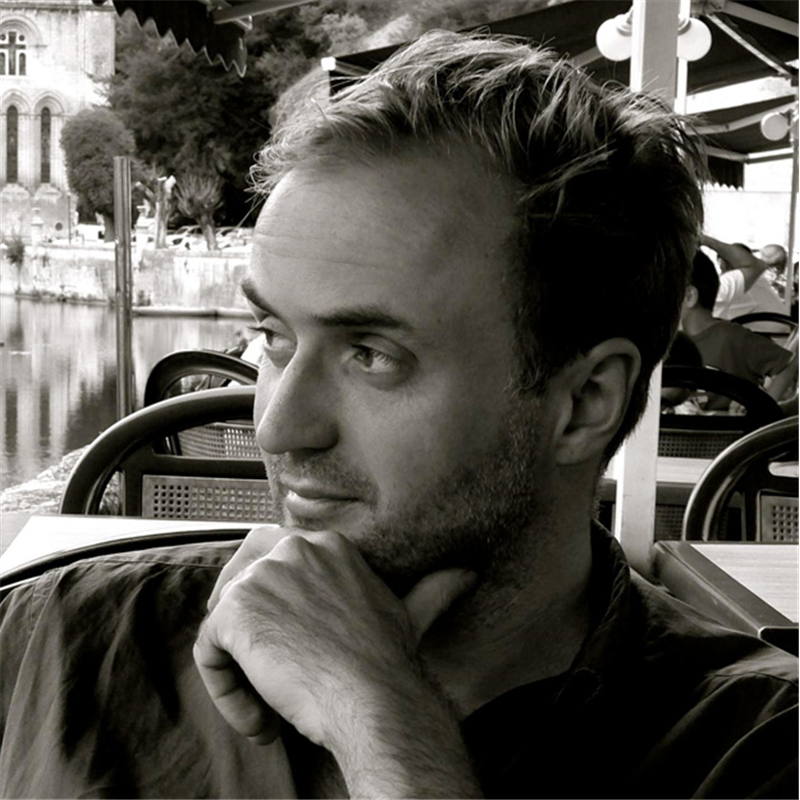 |
Watercolourist, muralist, ceramicist and wood-engraver, Eric Ravilious was one of the most distinctive young British artists working between the two World Wars; he is also an artist who is of increasing interest and popularity, as recent exhibitions and sales of his work have revealed. This lecture explores Ravilious’s career, looking both at his place in the long tradition of watercolour painting in England, as well as within the social and cultural context of England in the 1920s and ‘30s, leading up to his untimely death as an official war artist in Iceland in 1942. Dr. David Boyd Haycock is an established freelance art historian and curator. He is best known for his 2009 book, A Crisis of Brilliance: Five Young British Artists and the Great War, and the subsequent exhibition he curated at Dulwich Picture Gallery. Educated at the University of Oxford, and a former curator at the National Maritime Museum in Greenwich, he is a specialist in British art and culture in the period 1860 to 1940. His latest books include a new biography of the young Augustus John, and a new biography of the equestrian painter Lucy Kemp-Welch. An Arts Society lecturer since 2011, he is based in Oxford. |
|
| Thursday, 08 February 2024 |
| La Serenissima: The Golden Era of Music in Venice |
| Patrick Craig |
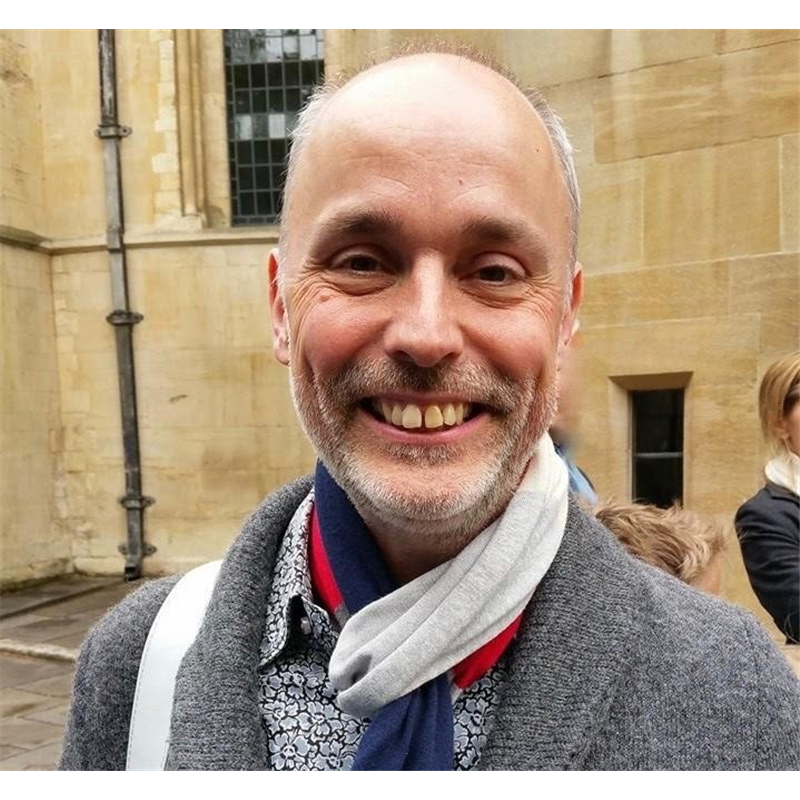 |
Patrick will explore the rich musical traditions of Venice. Claudio Monteverdi not only transformed the music at the Basilica of San Marco but also led the way in the creation of a new art form - opera. We shall look at and listen to works from the other musical geniuses who developed the musical life of San Marco such as Gabrieli and Lotti, as well as tracing Monteverdi’s successors in the creation of Venetian opera, including Cavalli and Albinoni. We shall also examine and hear music from Antonio Vivaldi, the other towering figure of Venetian music, who created music both for the opera stage and the female musicians of the Ospidaledella Pietà. Patrick Craig is a Vicar Choral at St Paul’s Cathedral. For twenty years he combined this with an international career singing over a thousand concerts with the world-renowned early music consort The Tallis Scholars. He also sings with the award-winning group The Cardinall’s Musick. He founded and conducts this country’s leading all-female professional choir, Aurora Nova. He has conducted concerts for the BBC Proms, the Brighton, Lichfield and Aldeburgh Festivals, and with the City of London Sinfonia. As a Cambridge history graduate with a lifelong interest in the arts, he has gone on to lead choral workshops for amateur singers across the world, where he places music in its historical and cultural context. He regularly lectures for the St Paul’s Adult Education programme and for John Hall’s Venice Courses, which have allowed him to incorporate his interests in theology, art and poetry. |
|
| Thursday, 11 January 2024 |
| Grace Darling: the fine Art of Saving Lives at Sea -
To commemorate the 200th anniversary of the RNLI |
| James Taylor |
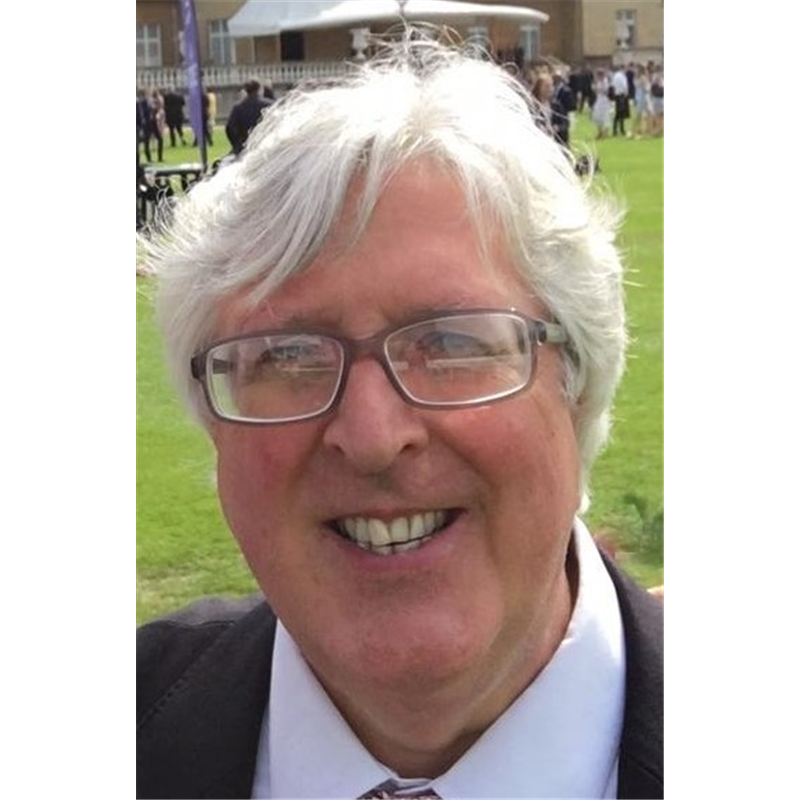 |
Darling’s daring rescue of steamship passengers off the Northumberland coast in 1838 brought her international fame. Discover more about her bravery and short life (died aged 26) and the artistic contribution that has helped to keep her in the public eye. Grace became the ‘poster girl’ of the Royal National Lifeboat Institution and was the first woman awarded their medal for gallantry. This talk coincides with the commemorations to mark the 200th anniversary of the founding of the RNLI in 2024. James Taylor studied at the Universities of St Andrews and Manchester, and is a former curator of paintings, drawings and prints, and co-ordinator of various exhibitions and galleries, at the National Maritime Museum, Greenwich. Publications include illustrated histories of Marine Painting (1995) and yachting art Yachts on Canvas (1998), The Voyage of the Beagle: Darwin’s extraordinary adventure aboard FitzRoy’s famous survey ship (2008), Careless Talk Costs Lives: Fougasse and the Art of Public Information (2010) and Your Country Needs You: the Secret History of the Propaganda Poster (2013), Dazzle: Disguise and Disruption in War and Art (2016) and Picturing the Pacific: Sir Joseph Banks and the Shipboard Artists of Cook and Flinders (2018). Completed his PhD at the University of Sussex in 2015 on the voyager artist William Westall (1781-1850) who sailed with Commander Matthew Flinders aboard HMS 'Investigator' (1801-1803) the first ship to circumnavigate Australia. |
|
| Thursday, 14 December 2023 |
| Saint Nicholas of Myra and Santa Claus: a case of mistaken identity |
| Sally Dormer |
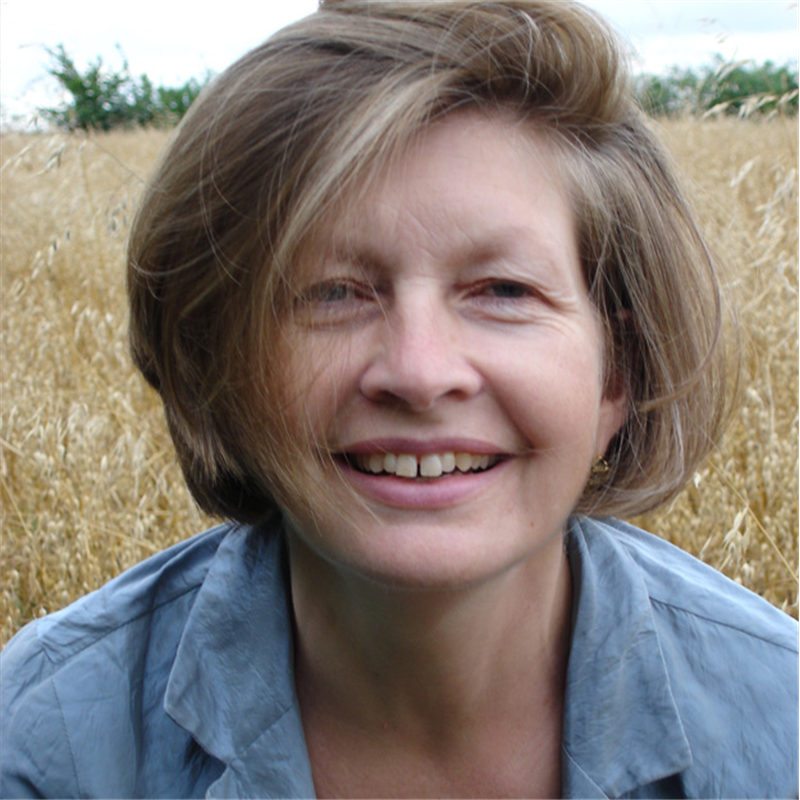 |
How did the remains of Nicholas, a fourth-century bishop from Myra, Turkey, reach Bari, Italy in 1087? And how did this rather obscure churchman become the patron saint of sailors, merchants, prisoners and children in the Byzantine Empire and Western Europe? This lecture explores the development of St Nicholas’ medieval cult through the artefacts associated with it: icons, wall paintings and illuminated manuscripts, and charts his eventual transformation into the well-loved Santa Claus. Sally Dormer is a lecturer and tutor for the Early Medieval Year Course at V&A. Dean of 'European Studies' for 2 US Universities. Freelance lecturer for The Art Fund. Study tours, cruises and tour groups. BA (History) University of Durham; PhD (Medieval Manuscript illumination) and MA (Medieval History of Art) Courtauld Institute. |
|
| Thursday, 09 November 2023 |
| Joseph Wright of Derby and the Men and Art of the Lunar Society |
| Leslie Primo |
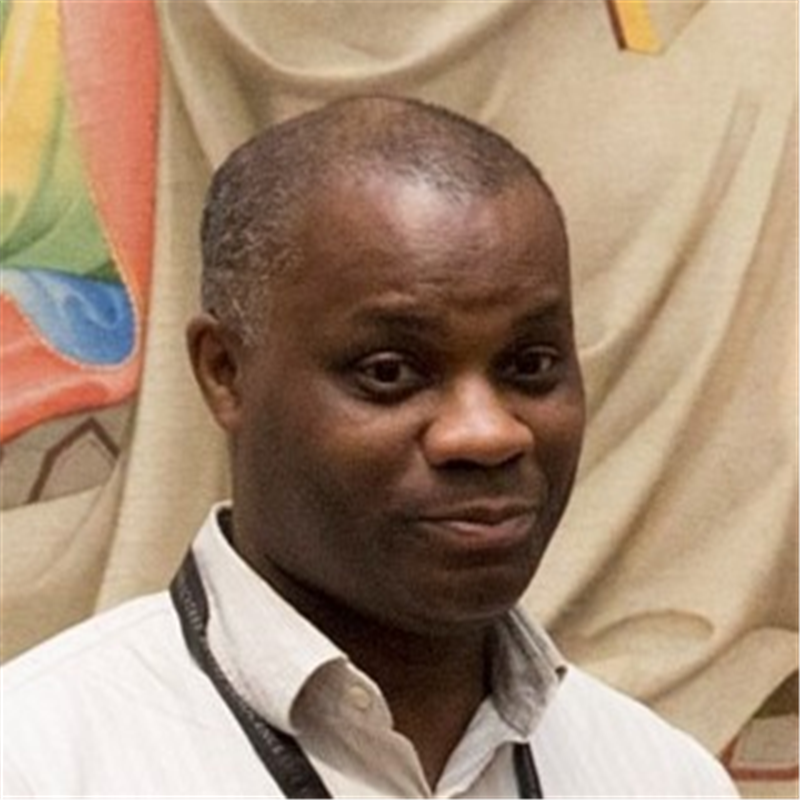 |
In an age of discovery where science and industry went hand-in-hand, 18th century England saw not only the flowering of the Industrial Revolution, but also that of the self-made man; who came not from money but from industry. It was a time of gentlemen’s clubs, in their true original meaning rather that the corruption of this term we unfortunately experience today, and one of these clubs would become synonymous with investigation and discovery characterised by the individuals that were associated with it. But this age of discovery also witnessed the end of an era with the rise of the Anti Slavery movement, and those who were on the periphery of this club who were also achieving great things. Such as the voyages of Captain Cook, the work of Joseph Banks, the work of Sir Hans Sloane, and the inception of the Royal Academy under its first President, Sir Joshua Reynolds. In this lecture I shall, through the paintings of Reynolds and others, explore the lives, achievements, common interests and connections between a unique group of individuals from this period who either attended this club or were associated with it; men such as, James Watt, Matthew Boulton, Josiah Wedgwood, Erasmus Darwin, Joseph Priestley, Joseph Wright of Derby and others. The industrialists amongst these men would be, in their time, referred to as philosophers practising what we would now call joined-up thinking, eventually we would invent a new name for them - scientists however, they would call themselves the Lunar Society. Leslie Primo is an art historian, author, broadcaster, and graduate of Birkbeck, University College, with an MA in Renaissance studies. He lectured at the National Gallery, London for 18 years, and has appeared on the BBC speaking on Michelangelo and presenting on JMW Turner. He contributed to the Oxford Companion Guide to Black British History, and has a forthcoming Thames & Hudson book called, The Foreigners that Invented British Art. He currently teaches art history at Imperial College, and lectures for the Royal Academy, London. |
|
| Thursday, 12 October 2023 |
| Butterflies, Maharajas and Tiaras |
| Peter le Rossignol |
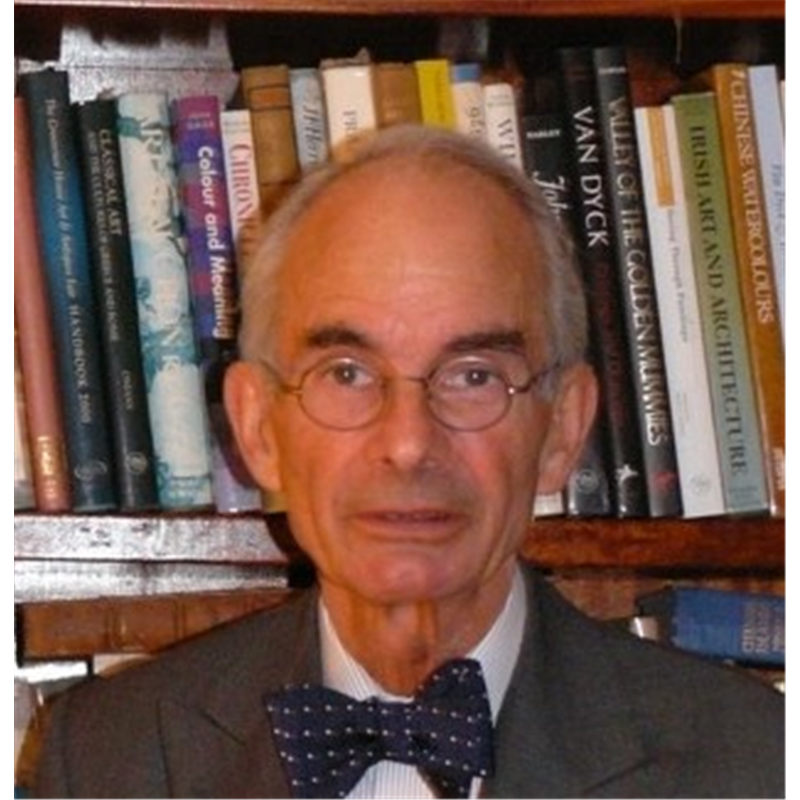 |
This lecture takes a journey from the Far East to Europe via the Sub-Continent. We explore the dress and jewels of the courts of China, India and Europe and their symbolism as expressions of wealth and position. Peter le Rossignol has degrees in Decorative Arts & Historic Interiors and Fine Art Valuation; he also holds a DPhil in Art History. Has forty years' lecturing experience, including to the Art Fund in Jersey and Guernsey, the Ringwood Antiques Club Hampshire, the Jersey College for Adult Education, and various after-dinner engagements. Has given talks on local radio, and held antique road shows for various organisations. Interests include eighteenth century fine & decorative art, the Grand Tour, Oriental decorative arts, and silver and jewellery. He is a Fellow of the Society of Antiquaries. |
|
| Thursday, 14 September 2023 |
| Through a Glass Darkly: Vermeer and the Camera Obscura |
| Rupert Dickens |
 |
The tranquil and meditative paintings of Johannes Vermeer are among the best-loved artworks in the world. Relatively little is known about the master from Delft but that has not deterred a torrent of publications about him, both fictional and scholarly. One of the most hotly debated topics in Vermeer literature is his supposed use of the camera obscura. We will tackle this controversy head on by investigating the history of optical devices in art and examining the latest theories on Vermeer’s technique. It will be a great opportunity to look at Vermeer’s beguiling body of work afresh through a different lens. Rupert Dickens is an art historian based in south London with a special interest in Dutch and Flemish 16th and 17th century painting. He works at the Wallace Collection as a guide conducting public and private tours and lecturing on aspects of the collection. Rupert is also a tour director for a Cambridge-based company accompanying groups on art-themed tours to the Netherlands, Belgium, France, Austria and Italy. He has lectured to large audiences on subjects as diverse as the game of chess in art and Madame de Pompadour’s artistic patronage in 18th century France. He studied art history at Birkbeck College before undertaking a Masters in Dutch Golden Age Studies at University College London. Before that Rupert had a 26-year career as a BBC journalist ending as an editor in radio news. |
|
| Thursday, 08 June 2023 |
| Music in Art |
| Sophie Matthews |
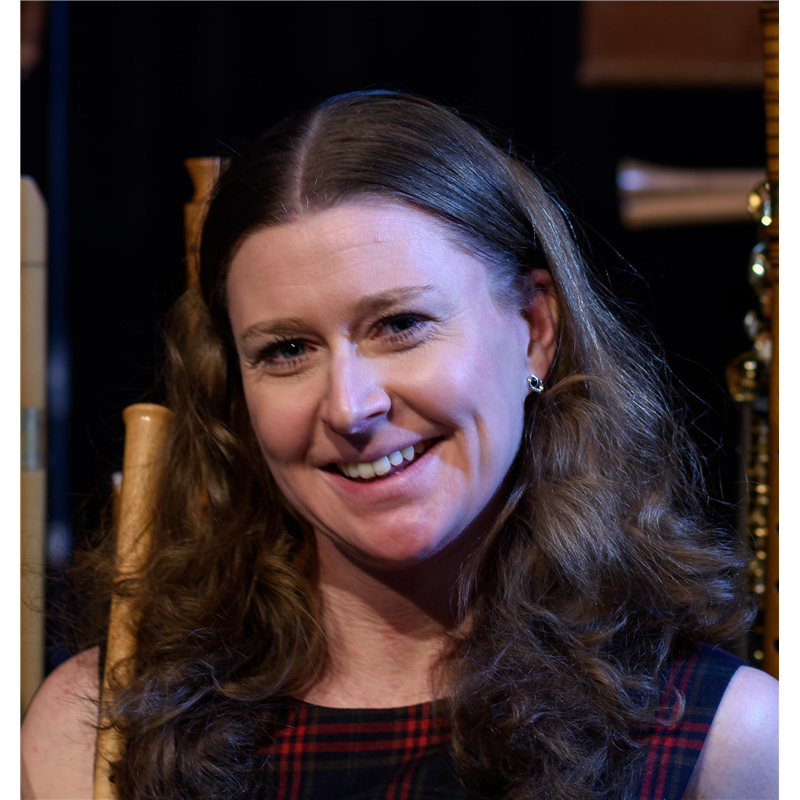 |
So many of our historical references for musical instruments can be found in works of art. Not only can these windows into the past show us what the instruments looked like but also the social context in which they would have been played. Music and different instruments also play a strong role within symbolism in art. Sophie explores the instruments in selected works and then gives live demonstrations on replicas of the instruments depicted. Sophie Matthews is a musician well-known as one of the foremost players of the English border bagpipes in the UK. She also plays a variety of early woodwind instruments such as shawm, rauschpfeife, crumhorm and recorder. She’s one of a handful of British players of the baroque musette, an 18th century French bagpipe similar to the Northumbrian smallpipes. Sophie also makes instruments and is self-taught on all of her instruments. |
|
| Thursday, 11 May 2023 |
| The History of the City of London through its Stained Glass |
| Anna Warrillow |
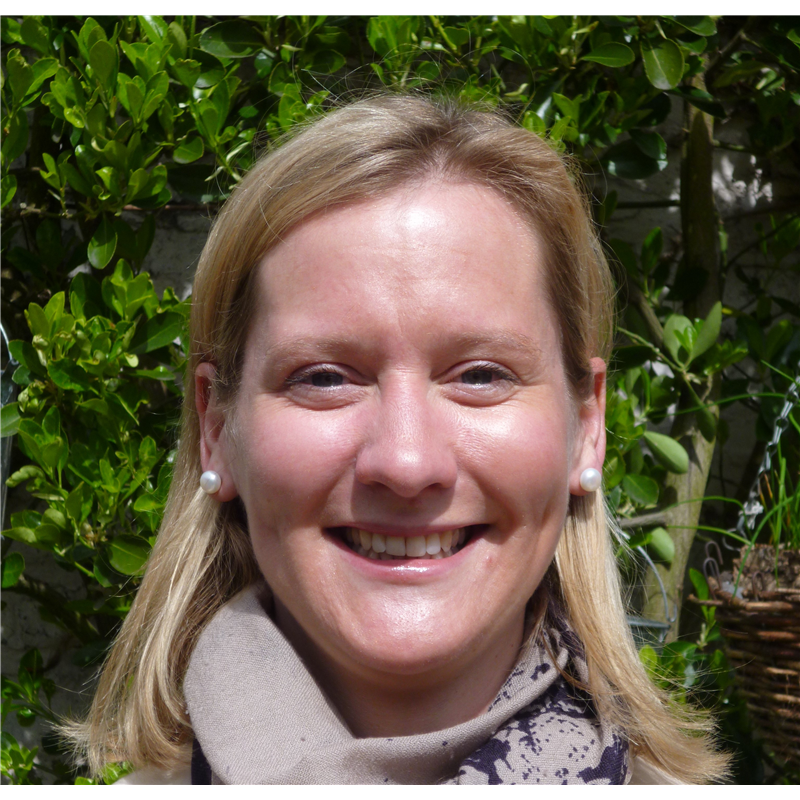 |
This lecture covers almost 2000 years of London's history illustrated through its stained-glass windows - these cover 19th century, 20th century and contemporary glass makers. Anna Warrillow is a Blue Badge Guide who offers private tours for discerning visitors to London. She studied for a BA in History of Art & Italian at the University of Sussex and an MA in Renaissance Decorative Arts & Design at the Royal College of Art. She then worked as a curator in the Sculpture Department at the V&A. She also teaches The History of London at Richmond American University in London. |
|
| Thursday, 13 April 2023 |
| The Sun at Midnight: Idealism, Angst in Nordic Art |
| Justin Reay |
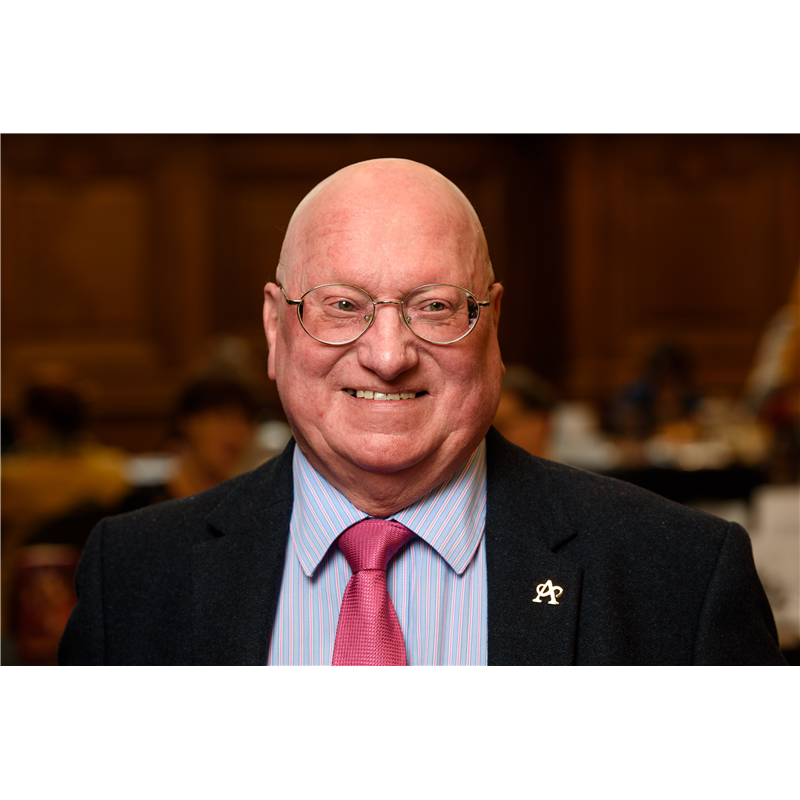 |
Scandinavia, Finland and the Baltic is a special region, beset by darkness throughout the winter but blessed by sunlight in summer. This is a special human experience of light, subdued in the winter day but often illuminated at night by the Northern Lights, while being sharp and clear in the long summer days and lambent in the hours of the Midnight Sun. Artists from Nordic countries have tried to capture these qualities, and the effects of long winters and long summers upon their psyche. Justin discusses this unique aesthetic, demonstrated in paintings by various Nordic artists and as a counterpoint examines Sweden’s continuing fascination with the comfortable, homely art of Carl Larsson, the inspiration for IKEA. Justin Reay After officer service in the Royal Navy, Justin entered a long career in business.In 2011 he was appointed as tutor in the History of Art and Classical Civilization at leading tutorial colleges in Oxford, and also privately tutors undergraduate and post-graduate art history students. Formerly a senior academic manager at the Bodleian Library, Justin is a published historian, and among his impending works are an edition of Samuel Pepys’s naval papers in the Bodleian’s collections, and a study of the Admiralty buildings in London. |
|
| Thursday, 09 March 2023 |
| Raphael in Rome |
| Stuart Harvey |
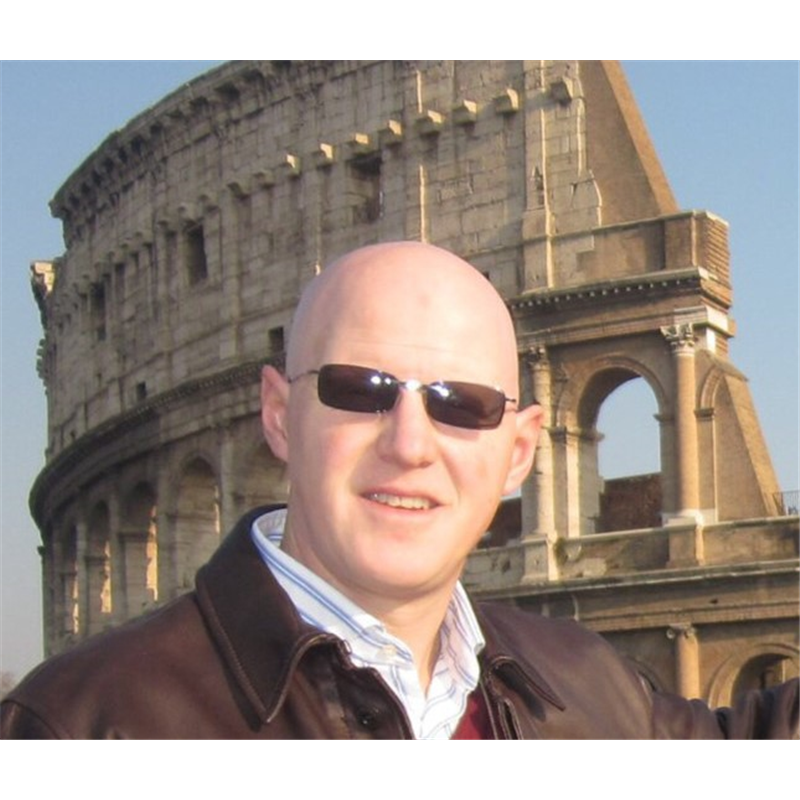 |
Raphael Sanzio was described as “The Prince of Painters”. Born in Urbino, he moved to Rome in 1508 and worked there for the last 12 years of his life, until his untimely death in 1520 at the young age of 37. His prolific output left a legacy that influenced artists for centuries. In this lecture we will take a chronological look Raphael’s works that are easy to visit in Rome today, as well as learning about his wealthy and powerful patrons, including two Popes, cardinals and a wealthy banker. Raphael’s love-life cannot be ignored, and finally we will arrive at his monumental tomb in the Pantheon. Stuart Harvey has worked in educational tourism since 1992, leading study tours all over Europe. He is a London Blue Badge Tourist Guide and also a Guida Turistica Abilitata della Provincia di Roma. Living in Rome since 2003, Stuart has developed a great love for the Eternal City and its many treasures. In addition to his primary career as full-time Rome tourist guide, Stuart’s lectures bring the rich artistic and historical wealth of Rome’s 28 centuries to life. |
|
| Thursday, 09 February 2023 |
| Spread a Little Happiness: The Story of the British Musical |
| Malcolm Jones |
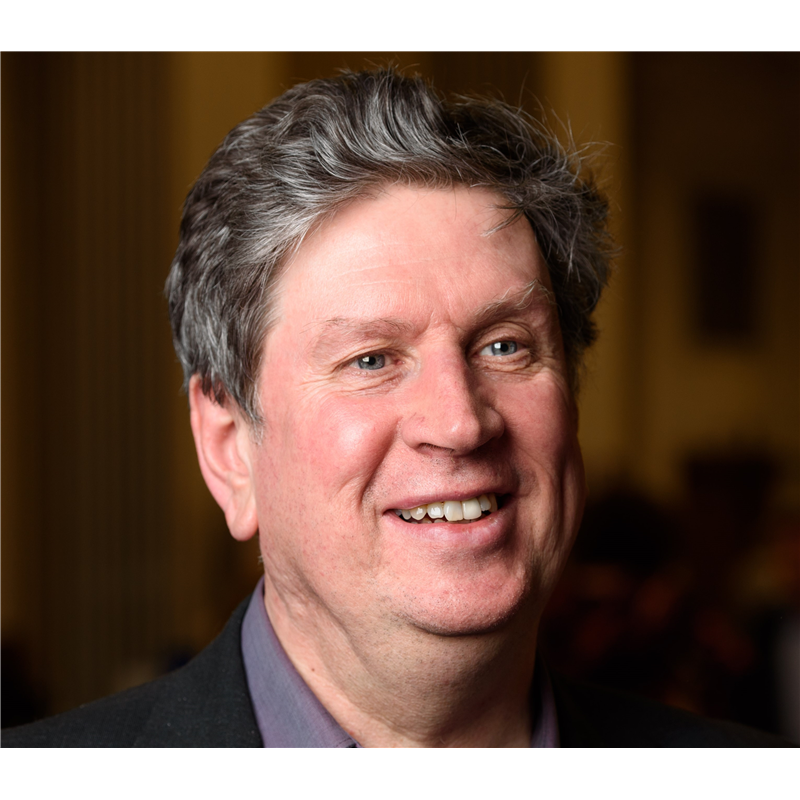 |
The British Musical was triumphant in the 1930s when the musicals of Noël Coward and Ivor Novello dominated the West End. However, the arrival of Oklahoma in 1948 changed everything. Over the next 30 years audiences flocked to see the big American musicals of Rodgers and Hammerstein and others. Nevertheless, the British Musicals held their own with moments of great success. Julian Slade, Sandy Wilson, David Heneker and, of course, Lionel Bart had hugely successful shows. Then in the 1970s and 1980s Andrew Lloyd Webber and Tim Rice and others established the British musical as a force in the UK and abroad. Malcolm Jones has lectured on V&A courses since 2009, devising and developing a range of courses on Theatre History and Practice. Malcolm was Workshop and Events manager at the V&A Theatre Museum in Covent Garden for 10 years where he was responsible for lectures, Study Days and workshops for adults and interviewed many leading British actors and directors. He has lectured and led workshops at many drama schools including RADA. |
|
| Thursday, 12 January 2023 |
| A Century of Deception: the Birth of the Hoax in the 18th Century |
| Ian Keable |
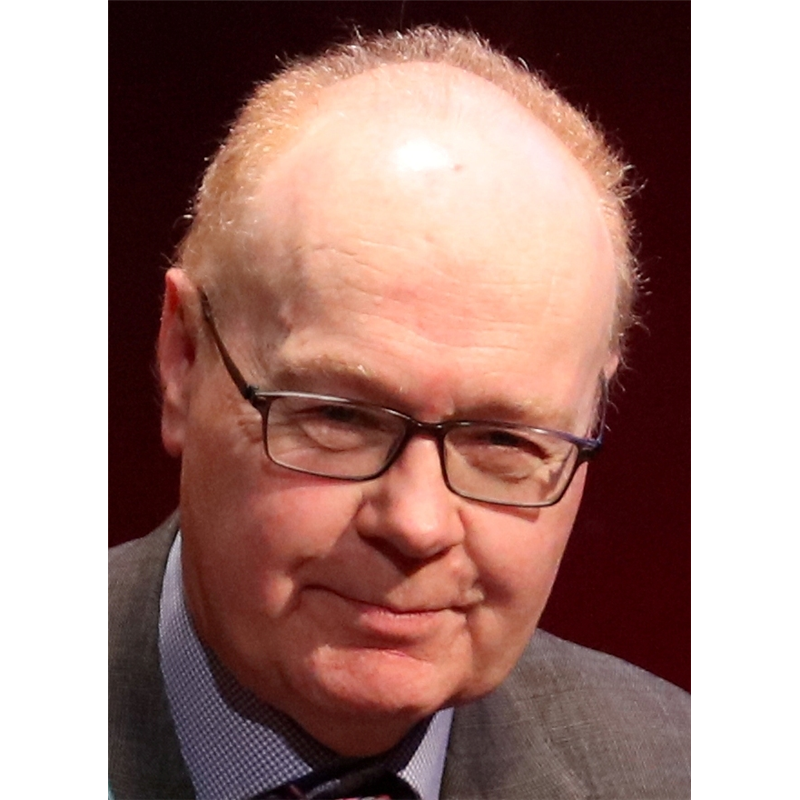 |
The 1700s was a period when the people of England seemed to be especially gullible. They believed a woman could give birth to rabbits; a man could climb inside a two-pint bottle and sing inside it; and where a blond-haired European could write a book claiming that he was born in Taiwan. These hoaxes weren't just written about extensively in newspapers and journals but also brilliantly and amusingly depicted by satirical artists such as William Hogarth and James Gillray. In this entertaining talk Ian demonstrates how 18th century hoaxes are memorable not only for their imaginative nature but also because of the differing motives of the tricksters. Ian Keable gained a First-Class degree from Oxford University, qualified as a Chartered Accountant and then became a professional magician. He is a Member of The Inner Magic Circle. In 2014 he published Charles Dickens Magician: Conjuring in Life, Letters & Literature. He now divides his time between performing magic, giving talks and researching and writing. His latest book is The Century of Deception: The Birth of the Hoax in Eighteenth-Century England. |
|
| Thursday, 08 December 2022 |
| Grandfather Frost & Old New Year: Russian Christmas |
| Rosamund Bartlett |
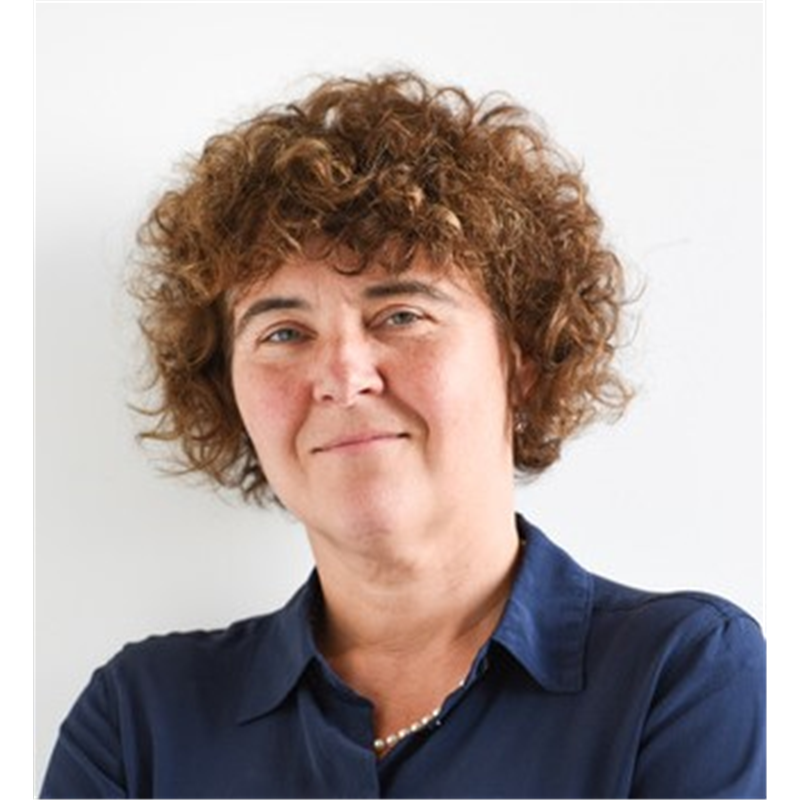 |
Where better to spend yuletide than in snowy Russia? Imagine yourself wrapped in furs, speeding along in a troika, bells ringing, as you come home from church after celebrating the end of the 40-day Christmas fast. This lecture explores the traditional religious and folk customs associated with Christmas in Russia before the Revolution, the secular celebrations introduced to Russia by Peter the Great, the drastic changes introduced in Soviet times by Stalin, and what Christmas means to Russians today. Rosamund Bartlett is a writer, lecturer and translator whose work as a cultural historian ranges across the arts. She completed her doctorate at Oxford and is the author of several books, including biographies of Chekhov and Tolstoy, and a study of Wagner's influence in Russia. She is currently writing a history of the Russian avant-garde. Her translation of Anna Karenina was published to acclaim in 2014. She has written on art, music and literature. |
|
| Thursday, 10 November 2022 |
| The Botanical Gardens of London before Kew |
| Mark Spencer |
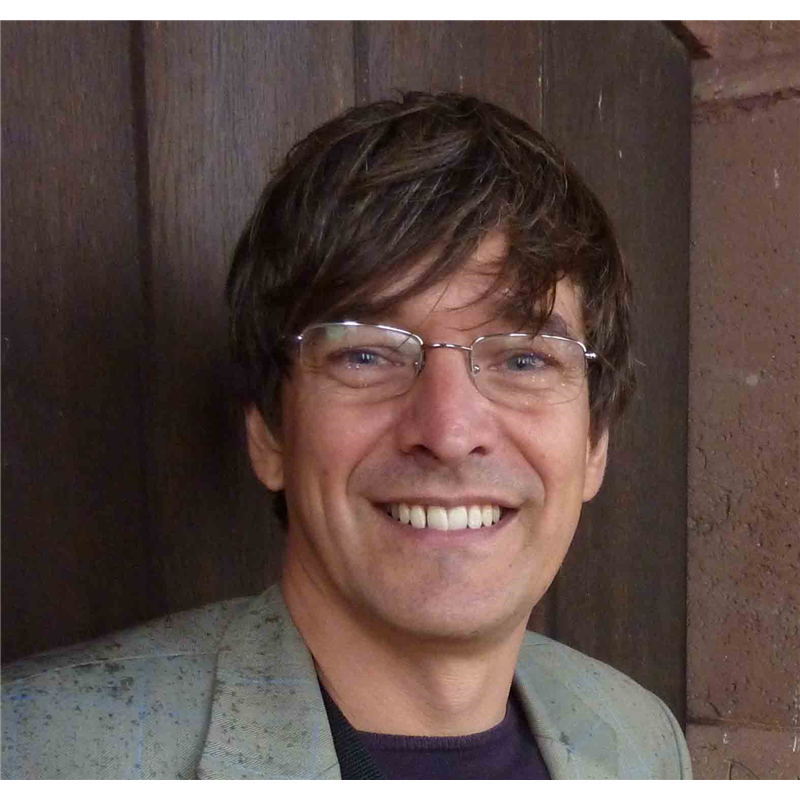 |
The 17th & 18th centuries saw the introduction of thousands of plant species from across the world into northern Europe. Many of these plants are now staples of our gardens: magnolias, lilies, pelargoniums & Michaelmas-daises to name a few. Long before Kew Gardens was established, these plants found new homes in the, then great, gardens of London and its environs; places such as, the long-lost garden at Westminster, Hampton Court under the care of George London, Fulham Palace home to Bishop Compton or the two great gardens of Chelsea, one of which survives – the Chelsea Physic Garden. Mark Spencer studied horticulture at the Royal Botanic Gardens, Kew, then botany and mycology at university, after which he worked as a field botanist for a regional conservation organisation. After 12 years as a senior botany curator at the Natural History Museum, London, he is now a consultant forensic botanist with a strong interest in the history of botany and botanic gardens, invasive non-native species and the flora of North-West Europe. |
|
| Thursday, 13 October 2022 |
| Modernist Design: The Bauhaus and Beyond |
| Andrew Spira |
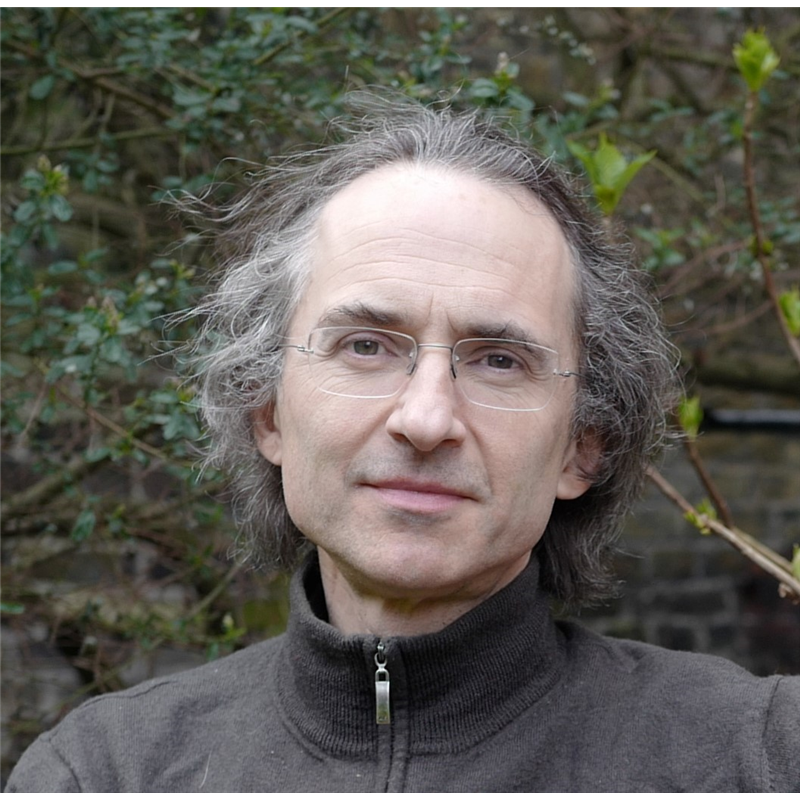 |
The Bauhaus was the most innovative and influential school of design in the 20th century, combining avant-garde ideas about abstract art with a thoroughly conscientious approach to social reform and domestic living. Employing some of the most celebrated artists of the 20th century, the school combined an interest in nature with a belief in the transformative potential of industrial design that continues to shape art education. Andrew Spira studied at the Courtauld Institute and Kings College, London. He worked at the Temple Gallery, London and as a curator at the Victoria and Albert Museum where he worked on the British Galleries and for the Silver, Metalwork and Jewellery Department. Subsequently he was Programme Director at Christie’s Education for many years. Besides lecturing on a wide range of subjects, he has taken numerous groups on cultural visits all over Europe. |
|
| Thursday, 08 September 2022 |
| Behind the Façade: Buckingham Palace |
| Hilary Williams |
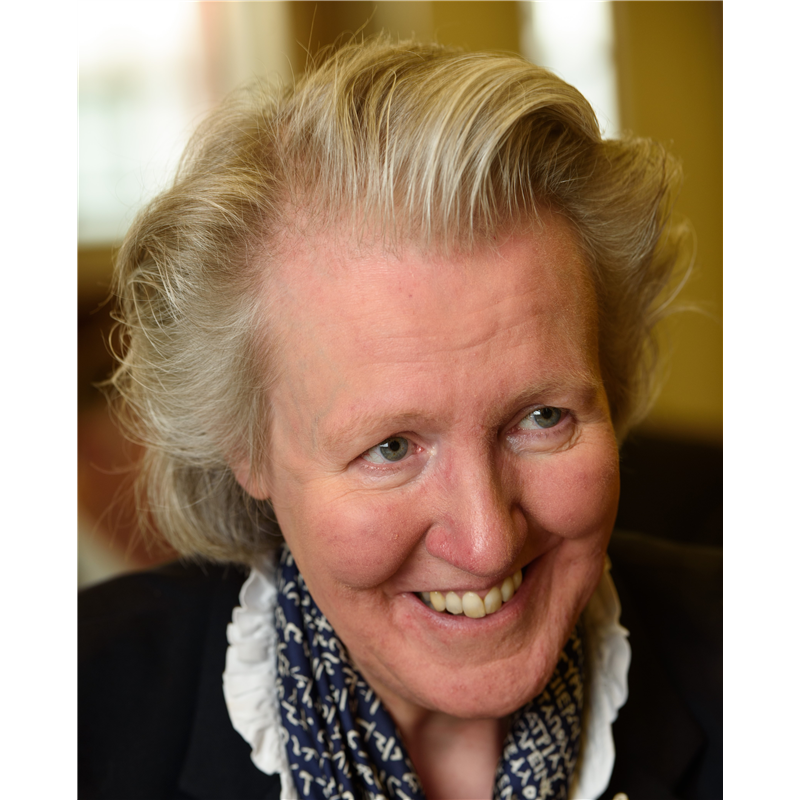 |
This lecture shows how Buckingham Palace works as a ceremonial stage of State and how the plan, fixtures and fittings of the State Appartments enable this to happen. Hilary Williams discusses the room where Cecil Beaton took the Coronation photographs of HM The Queen and how other rooms are furnished with sumptuous furniture, objets d'art and great paintings to create a splendid scene for Court ceremonial. Hilary shows how the Palace was planned by Nash, Pennethorne and Blore to be used and how it still is used today. Hilary Williams was formerly Print Room Superintendent at the British Museum, and is now Art History Education Officer. She lectures for the British Museum, the London Borough of Bexley and Wallace Collection. She is the liaison officer at British Museum with The Arts Society. She guides Special Interest Private Tours of State Apartments Buckingham Palace. |
|
| Thursday, 09 June 2022 |
| Searching for Shakespeare |
| Jane Tapley |
 |
400 years on and Shakespeare remains the most famous Englishman in the world. Here we explore his life, influences of the Elizabethan age and how his work impacted the global stage. Learn what the first open-air theatres were like, how popular his plays were with his contemporary audiences, how his plays survived and who saved them. Jane Tapley is currently Special Events Organiser, at the Theatre Royal Bath, interviewing visiting actors, writers, directors. She lectures regularly to theatre going societies, National Trust and history and fine arts groups. She is a West Country Tourist Board Registered Blue Badge Guide and Lecturer. She is the author and researcher of theatre programme notes on Hamlet, Sheridan's The Rivals and Jane Austen's Emma. Jane is a consultant to various TV productions of Jane Austen adaptations on food in the 18th and 19th centuries. Jane hosts and cooks period meals in her Regency house in Bath for the Jane Austen Festival and other literary groups. |
|
| Thursday, 12 May 2022 |
| The Golden Section: Divine Proportion in Art and Architecture |
| Alexandra Epps |
 |
For thousands of years the mystery of the Golden Section has inspired thinkers from all disciplines - artists and architects, mathematicians and musicians. Discover the secrets of its sacred geometry and beauty within creations from the classical to contemporary.
Alexandra Epps is an Official Guide and Lecturer at Tate Modern, Tate Britain and Guildhall Art Gallery. She is a qualified Guide to the City of London, offering lectures and walks about many aspects of the arts for societies, corporations and private individuals. She is a member of the City of London Guide Lecturers Association. She is a Co-author of the book Lord Mayor's Portraits 1983-2014 (2015). Alexandra’s background is in design having practised as a graphic designer running her own design consultancy for many years. She has a BA from Saint Martins School of Art, and an MA from the London College of Printing. |
|
| Thursday, 21 April 2022 |
| Knight Errant: The Life and Adventures of William The Marshal |
| Rupert Willoughby |
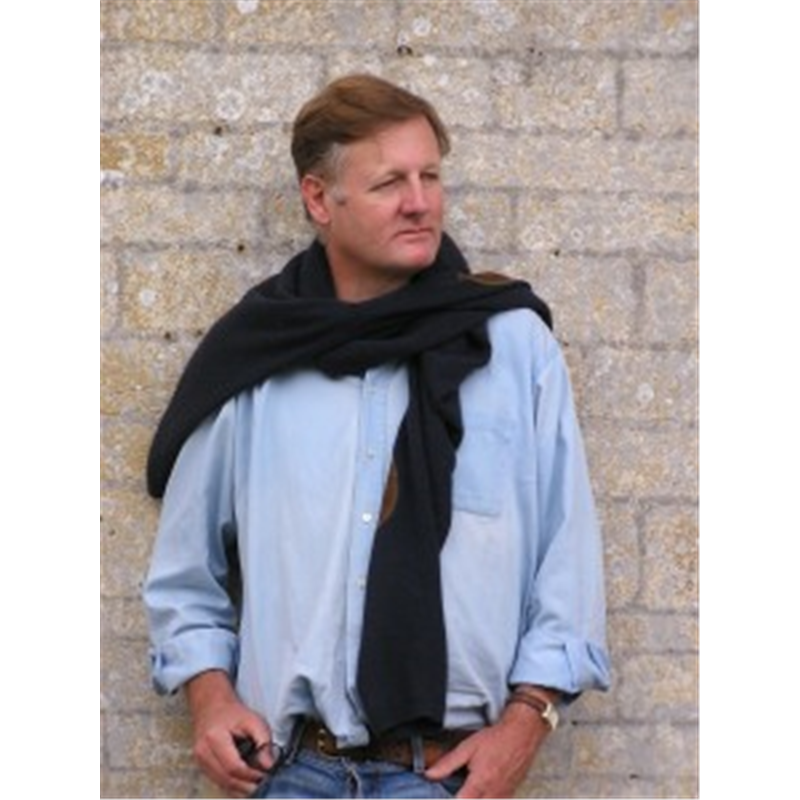 |
A talk celebrating a key figure in the age of Magna Carta. Reckoned by a contemporary to be ‘the best knight who ever was or will be’, William was the classic knight errant, who made his name – and a fortune in ransoms – on the tournament circuit in northern France. Such was William’s renown that he rose to be Regent of England during the minority of Henry III, uniting the nation and saving the English monarchy. Rupert compares William’s verse biography with the Arthurian romances of his contemporary, Chrétien de Troyes, and finds fiction merging with reality. He stirringly evokes a gorgeous world in which the knights were dominant. In their coats of mail like silk shirts and their golden spurs, these were ‘the angels men complain of, who kill whatever they come upon’. Rupert Willoughby is an historian and Classicist, a poet, a father and a wild swimmer with a passion for castles, lakes and uncovering the layers of the past. A graduate with First Class Honours in History from the University of London (where he immersed himself in the ‘Byzantine’, or medieval Greek Empire), he is the author of the best-selling Life in Medieval England for Pitkin, and of a series of popular histories of places, including Chawton: Jane Austen’s Village, and the whimsical, yet scholarly Basingstoke and its Contribution to World Culture. Rupert also contributes regular obituaries to The Daily Telegraph. Accredited to the Arts Society since 2011, he is an experienced lecturer, who is known for his light, humorous touch, his love of narrative and his vivid evocations of the past. Rupert’s forefathers were Vikings and his foremothers were Tatars. |
|
| Thursday, 10 March 2022 |
| The History of the English Garden
|
| Barbara Peacock |
 |
This lecture traces the development of English gardens from Tudor times through to the twentieth century. Our early formal gardens owe much to the influence of Italy and France, and although most were destroyed, we can form an excellent idea of their appearance through paintings and engravings. In the 17th century, the more intimate gardens of the Tudor and Stuart period give way to grandiose formal layouts inspired by Versailles. However, the 18th century naturalistic landscape park was a uniquely English achievement, that revolutionised garden and park design throughout Europe. In the Victorian period, we see a return to formality, but in Edwardian gardens the plan is formal and architectural, but the planting is generous and naturalistic, resulting in some of the finest English gardens. Barbara Peacock is a Fellow of the Royal Society of Arts, has 35 years of lecturing experience and organises art and architectural tours in UK and abroad. Previously she was a lecturer for Birmingham University Department of Extra-Mural studies and Tutor in Fine Art, Dept of Continuing Education, Southampton University; Assistant Keeper of Fine Art, Birmingham City Art Gallery. |
|
| Thursday, 10 February 2022 |
| Breeches, Bonnets and Bags: British Fashion through the Centuries |
| Rosalind Whyte |
 |
Portraits provide a fascinating insight into the changing styles of dress over the centuries. This lecture follows the different fashions as revealed in paintings, looking at dress and accessories, and some of the more ridiculous styles of fashion from the 16th century to the 19th century. It focuses particularly on fashion in England, but looks also at some contrasting Continental fashions. In times when Sumptuary Laws prescribed what you could wear, according to your status in society, fashion was much less of a personal choice and more a reflection of social standing. The colour of your clothing or a plunging neckline could mark you out as belonging to a particular class. Whilst the ordinary working folk might have longed for a wardrobe full of reds, purples and golds (or, indeed, for a wardrobe at all!), their ‘superiors’ may well have envied them their ability to move freely in their clothes, without the restrictions of ruffs, stuffed sleeves, enormous petticoats, or headdresses the size of small animals …. sometimes also containing small animals! Have fun exploring the wildest extremes of fashion through the ages. Rosalind Whyte has a BA and MA from Goldsmith’s College, and an MA (distinction) from Birkbeck College. She is an experienced guide at Tate Britain, Tate Modern, the Royal Academy and Greenwich. She lectures at theTate, to independent art societies and on cruises. She leads art appreciation holidays. |
|
| Thursday, 13 January 2022 |
| David Hockney - A Bigger Splash |
| Sarah Stopford |
 |
David Hockney remains one of Britain’s most prolific, diverse and celebrated artists. In the 1960s, as a student and already an increasingly successful painter, he was radical and controversial, always trying out new techniques and subject matter. The first British artist to act like a pop star, famous from moment he graduated from the Royal College of Art as gold medal-winner in 1962, he went on to make art on an international stage that stretched from the glamour of California to the sweep of his home Yorkshire landscape. Sarah Stopford is a guide and lecturer at Tate Britain and Tate Modern. She studied art history as part of her first degree at Harvard. After a further degree in English at Cambridge and a career as a teacher of English literature in both the United States and England, she has returned to the world of art history where her special interests are in British and post-1900 art as well as the connections between literature and the visual arts. |
|
| Thursday, 09 December 2021 |
| The Art of Christmas |
| Valerie Woodgate |
 |
The theme of Christmas, taking us from the Annunciation to the Adoration of the Shepherds and of the three Kings, has inspired some of the greatest and most moving works of art ever created. The Gospels however, give only limited information. Over the centuries, this has been expanded into a rich blend of legend and fact and the lecture illustrates this. Val Woodgate is a lecturer and guide at Tate Britain and Tate Modern, also at many other London Galleries and for various art organisations. Former member of the teaching team at Dulwich Picture Gallery. Lecturer to The Arts Society (formerly NADFAS) throughout Britain, and to related organisations in Europe, Australia, New Zealand and South Africa. Lecturer and runs courses at the Pallant House Gallery, Chichester. |
|
| Thursday, 11 November 2021 |
| Entertaining Angels Unawares: Angels in Music and Art |
| Patrick Craig: |
 |
Patrick Craig is a Vicar Choral at St Paul’s Cathedral. For twenty years he combined this with an international career singing over a thousand concerts with the world-renowned early music consort The Tallis Scholars. He also sings with the award-winning group The Cardinall’s Musick. He founded and conducts this country’s leading all-female professional choir, Aurora Nova. He has conducted concerts for the BBC Proms, the Brighton, Lichfield and Aldeburgh Festivals, and with the City of London Sinfonia. As a Cambridge history graduate with a lifelong interest in the arts, he has gone on to lead choral workshops for amateur singers across the world, where he places music in its historical and cultural context. He regularly lectures for the St Paul’s Adult Education programme and for John Hall’s Venice Courses, which have allowed him to incorporate his interests in theology, art and poetry. |
|
| Thursday, 14 October 2021 |
| Moorish Architecture: The Legacy of a Vanished Kingdom |
| Ian Cockburn |
 |
The Alhambra of Granada, the Great Mosque of Cordoba and the Alcazar of Seville are the three most impressive monuments to the architectural creativity of the Moors in Spain, but there are many other examples worthy of mention too.
The classical origins that influenced the Moorish style are less well-known, but fascinating to explore, as too is the unique interior decorative style developed by the Moors, which gives their architecture its beauty and exotic appeal – an appeal so strong that the Christians sometimes copied it, even as they slowly reconquered the territory from its Islamic rulers. This lecture provides a comprehensive introduction to the peninsula’s Moorish architecture.
Ian Cockburn is an art historian with a BA (Birkbeck College) in art history and an MA (Courtauld Institute of Art) in medieval Spanish art history. Specialist in the nearly 800 years of Moorish occupation and Christian reconquest of medieval Iberia. Founder and director of an art tours company, specialising in guided cultural tours in Spain, plus lecturing in London at institutions such as the V&A, SOAS, Christies Education, and the London Art History Society. |
|
| Thursday, 09 September 2021 |
| Genius of the Northern Renaissance: Dúrer |
| Eveline Eaton |
 |
Albrecht Dürer (1471-1528), arguably the most important Germanic artist ever, stands for the representation of Italian Renaissance ideas and Humanist thought in the North of Europe. Not only was Dürer an exceptional painter and draughtsman, he was also the first to write on art theory in the German language. His extensive graphic production carried Dürer’s fame well beyond his native Nürnberg. Recommended Reading: Strieder, P., 1982, Dürer, Muller Ltd.
Eveline Eaton has a BA Hons from the Courtauld Institute and a Diploma from the Study Centre for the History of Fine & Decorative Arts. Eveline is a Freelance lecturer in Fine Arts and has been a tour-guide to Berlin, Dresden, Munich. She is a Past Chairman of the Board of Trustees of the Dresden Trust. |
|
| Thursday, 10 June 2021 |
| A Thousand Years of History: Medieval Cathedrals as Time machines |
| Jon Cannon |
 |
This lecture uses the English cathedrals as ‘time machines’ to the medieval period, tracing their story from the revolutionary birth of English Christianity in about 600AD, through the great rebuilding that followed the Conquest of 1066, to the decades around a century later when gothic was invented in an atmosphere of febrile change and political tension. It then follows the story through the cults and traumas of the fourteenth century, backdrop to England’s most extraordinary architectural miracles, and into the dynastic struggles of the late medieval era; struggles which eventually tore apart the very world that created the cathedrals. Throughout, beautiful photography of the buildings themselves, as well as of contemporary manuscripts and paintings, helps to use these buildings to bring to life the remarkable events they witnessed, and helping explain how these events shaped their architecture. Wrote Cathedral: the Great English Cathedrals and the World that Made Them (2007), and presented BBC television's How to Build a Cathedral. The Secret Language of Sacred Spaces: Decoding Temples, Mosques, Churches and other Places of Worship around the World was published in 2013; the Shire book of Medieval Architectural Style the following year. He is currently working on a major book on geology and place in the British landscape. Other publications include numerous works for English Heritage and academic volumes on West Country churches. Jon Cannon is a Part time lecturer in the History of Art at the University of Bristol; holds a degree in the History of Art from the University of Sussex. Lectures, gives study days and leads tours on medieval church art, architecture and history. Lay canon (Keeper of the Fabric) at Bristol Cathedral. |
|
| Thursday, 13 May 2021 |
| Canal History and Heritage |
| Roger Butler |
 |
This lecture provides a colourful introduction to the secret world of our 2000-mile inland waterway network and looks at all aspects of their exceptional artistic, architectural and engineering vernacular. Features range from sweeping aqueducts to tiny bollards; from colourful historic narrowboats to 'Roses and Castles' artwork; from grand World Heritage Sites to quirky listed buildings. A well-known architectural historian once described our canals as a 'poor man's art gallery'. Roger Butler
is a landscape architect and an experienced writer, photographer and lecturer. He has a particular interest in the unique history, architecture and traditions of our canal network and worked on some of the UK’s major canal restoration projects. He has also acted as a consultant to bodies such as Waterways Ireland, Natural England and the Jurassic Coast World Heritage Site. He regularly contributes to waterway and heritage magazines and writes and provides images for a range of countryside and outdoor titles. Roger is a Fellow of the Royal Geographical Society, a Licentiate of the Royal Photographic Society and a Chartered Member of the Landscape Institute. He lives near Stratford upon Avon and lectures to groups such as the National Trust, RSPB, U3A, history societies, etc across the Midlands and further afield. |
|
| Thursday, 08 April 2021 |
| The Magic of Pattern |
| David Phillips |
 |
From the Alhambra to William Morris, patterns can be gorgeous, yet pattern has often been dismissed as “mere ornament” in comparison with painting. We will discover what a mistaken view that is as we look at the ideas that inspired some of the great pattern inventors and traditions from around the world. We’ll see that whilst some glorious effects depend on very simple patterning procedures, others can be wonderfully clever, as we watch patterns evolving across the screen in beautiful animations. David Phillips Studied History at Oxford, and from 1968-82 worked for Nottingham Castle Museum. From 1982-98, Lecturer in Museum Studies and Art History at University of Manchester. Published a book about museum practice with Manchester University Press, Exhibiting Authenticity 1997. |
|
| Thursday, 11 March 2021 |
| Discovering Macdonald Gill: Artist, Architect and Mapmaker |
| Caroline Walker |
 |
MacDonald 'Max' Gill, younger brother of the sculptor and typographer Eric Gill, was an architect, graphic designer and letterer, best known for his pictorial maps, especially those for the London Underground. He also created painted maps for Arts & Crafts houses including Lindisfarne Castle, magnificent murals for Cunard liners, and eye-catching publicity posters for organisations such as the Empire Marketing Board. An enduring legacy is his alphabet for the Imperial War Graves Commission used on all British military headstones since the First World War. This illustrated talk by Max Gill’s great-niece presents a colourful overview of this versatile artist's personal life and artistic achievements Caroline Walker (Great Niece of Eric Gill)
After embarking on family history research in 2006, I became fascinated in the life and work of my great-uncle MacDonald 'Max' Gill (1884-1947), an architect and graphic artist, best known for his decorative maps. Although well-known in his time, he was all but forgotten after his death unlike his brother Eric Gill, the controversial sculptor. Recently there has been a massive resurgence of interest in Max's work - much the result of exhibitions I have co-curated including Out of the Shadows: MacDonald Gill (2011) hosted by the University of Brighton and articles I have written for publications including Country Life, the Oxford Dictionary of National Biography, and the Journal for the International Map Collectors Society. I've also given talks for the National Archives, the Art Workers' Guild, Christie's, Friends of Kettle's Yard and the National Trust. I'm currently writing a biography and I run the MacDonald Gill website. |
|
| Thursday, 11 February 2021 |
| The Edwardian Garden – Golden and Delicious |
| Caroline Holmes |
 |
The Edwardian Garden - Golden & Delicious
Lecturer: Caroline Holmes
Gardens of a golden afternoon are glimpsed in black and white photographs and nostalgic cottage paintings. The Mediterranean inspired the architecture of Harold Peto’s designs and the colours in Gertrude Jekyll’s early paintings and later plantings. Peto’s richest client was Daisy, Countess of Warwick for whom he designed in the grand Italianate manner at Warwick House. Jekyll and Edwin Lutyens collaborated in 70 projects creating the Surrey Style as showcased in the architecture and gardens of her former home, Munstead Wood. The kitchen garden inspired visual and edible feasts in the ground and on the plates of contemporary gardening books.
Caroline Holmes is a consultant garden designer specializing in evoking historic, artistic and symbolic references. She is the Author of 11 books including Water Lilies and Bory Latour-Marliac, the genius behind Monet’s water lilies; Impressionists in their Gardens; Follies of Europe: Architectural Extravaganzas; Monet at Giverny and Icons of Garden Design. She has worked on theatre productions: How does your garden grow Mr. Shakespeare and Impressionists in their Gardens: living light and colour. She is a presenter and contributor on television and BBC Radio 4. She was the 2017 recipient of the Herb Society of America ‘Elizabeth Crisp Rea Award’. She Lectures for the University of Cambridge ICE (Course Director for International Summer Programme), the Royal Horticultural Society, museums, and specialist travel companies.
|
|
| Thursday, 14 January 2021 |
| PISSARRO AND HIS ARTISTIC FAMILY IN LONDON
|
| Nicholas Reed |
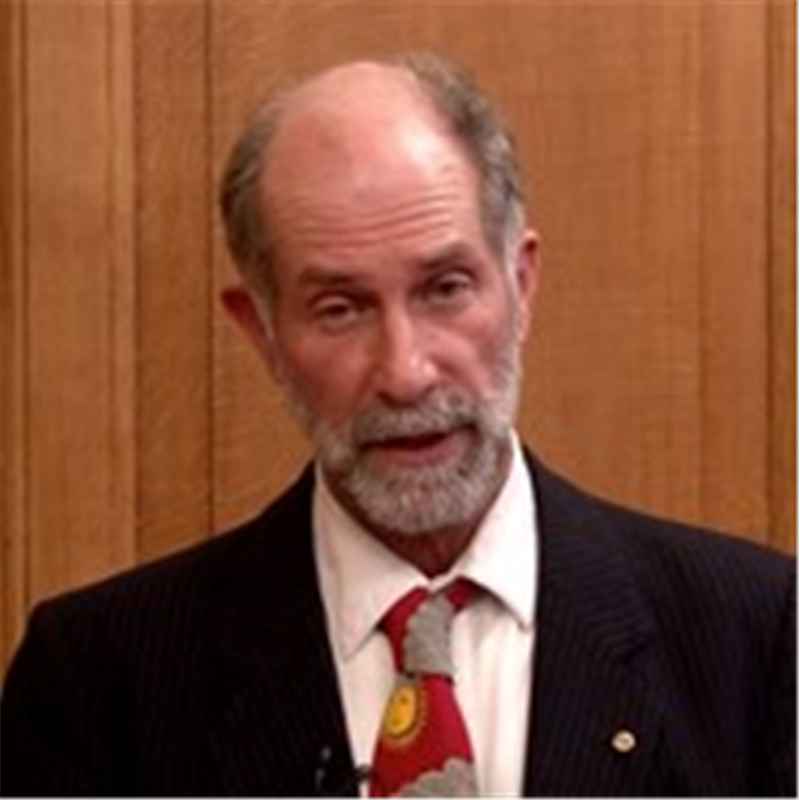 |
Nicholas Reed
An art historian and archaeologist. In the 1980s he became Founder- Chairman of the Friends of Shakespeare's Globe. In 2005 he was one of two Lecturer Representatives on the The Arts Society Advisory Council and also Vice-Chairman of Folkestone. He is the author of four books on the Impressionists in England, and one on the Frost Fairs on the Frozen Thames. His latest book My Father, the Man who Never Was features in his latest lecture.
Lecture Description
Camille Pissarro, the founder of French Impressionism, paid four visits to England between 1870 and 1897, and produced some thirty fine paintings on his visits to London. His eldest son Lucien Pissarro moved to England in 1890, married an English girl in 1892, and stayed in England the rest of his life, producing over 500 paintings of West London and of country scenes. Another son Ludovic-Rodo spent many years here, and produced paintings of central and west London. Lucien’s daughter Orovida also became a well-known painter in her own right, but in a quite different style. The paintings of England by the Pissarro family stretch from 1870 to the present time and make an interesting record of the country through three centuries.
|
|
| Thursday, 10 December 2020 |
| Pantomime: A Very British Feast |
| Giles Ramsey |
 |
Over 2500 years in the making the great British pantomime is a very potent brew indeed. Mix the earliest Greek and Roman drama with commedia dell'arte and medieval morality plays, then stir in a sprig of C17th masque, a dash of C18th harlequinade and a hefty shot of Victorian music hall and, hey presto, you have the modern Christmas pantomime. (Oh no you don't!). Giles Ramsay
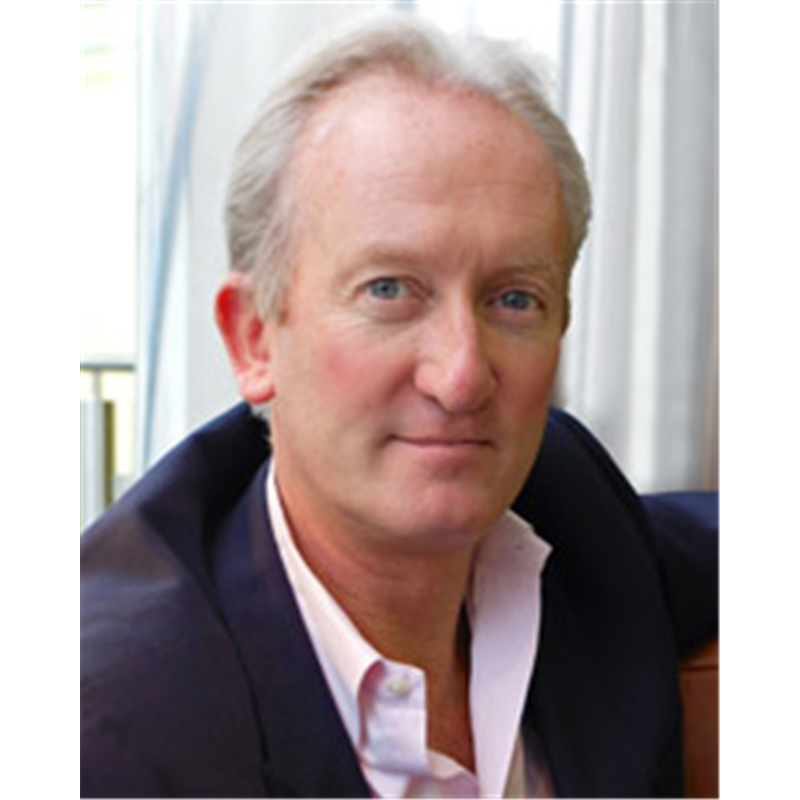
Giles Ramsay is an independent theatre director and producer who specializes in creating new work with artists in developing countries. He is the Founding Director of the charity Developing Artists (www.developingartists.org), a Fellow of St. Chad’s College, Durham University and Course Leader in Theatre at The Victoria and Albert Museum in London. Giles has run theatre projects in Botswana, Cape Verde, Equatorial Guinea, Kenya, Kosovo, Palestine, Mexico, Thailand and Zimbabwe and given numerous talks for institutions ranging from The Foundation for Mexican Literature in Mexico City to The Royal College of Physicians in London. He regularly lectures on the history and practice of theatre on the Queen Mary 2 as it sails from New York to the UK. Giles combines academic analysis with hands on experience to bring a unique insight to the world of the theatre. |
|
| Thursday, 12 November 2020 |
| Inigo Jones and the New Style |
| Christopher Rogers |
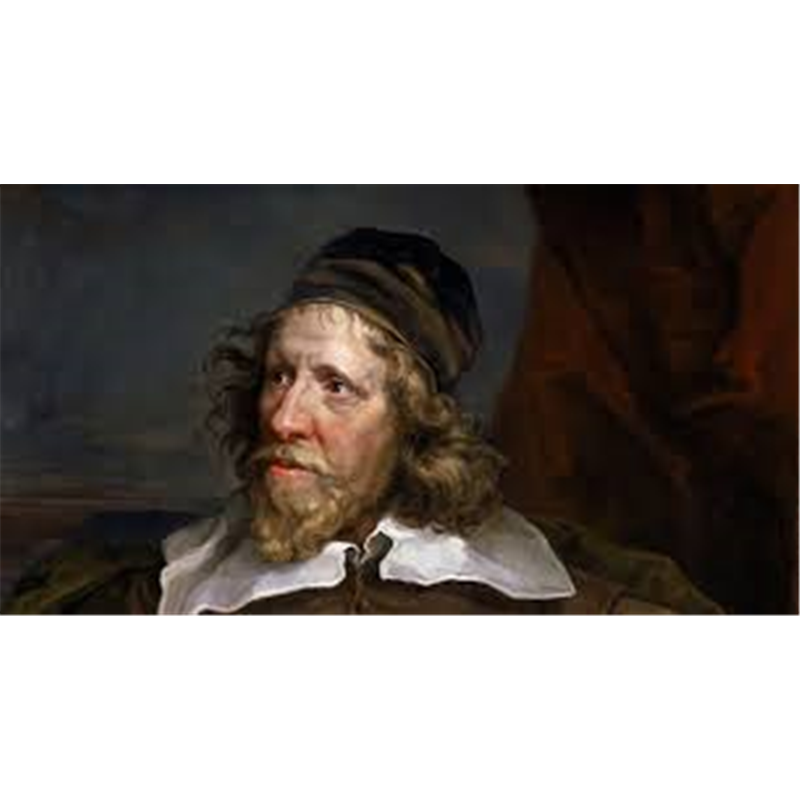 |
INIGO JONES AND THE NEW STYLE: Inigo Jones is probably the most influential of all English architects. Born in the last decade of Elizabethan England, he is first recorded working at the court of King James 1st, J.where he produced an enormous number of stage sets and costume designs for the masques which were a regular feature of court entertainment. Jones travelled to Italy and was deeply influenced by both the classical remains in Rome, but also the works of Andrea Palladio in Vicenza. On his return to England Jones introduced his royal patron to Italian classical architecture , especially the work of Palladio, and his influence led to a revolution in architecture in the early 17th century. The Queen’s House at Greenwich and the Banqueting House in Whitehall were two royal commissions which cemented his reputation as an architect. Tragically caught up in the English Civil War, Jones' last years were spent in obscurity However other architects such as John Webb and Sir Roger Pratt developed Jonesian ideas, leading to the flowering of the ‘Queen Anne’ style in the second half of the 17th century. This lecture explores the importance of Inigo Jones and his disciples through a range of surviving buildings from the 17th century. Christopher Rogers - Lecturer Christopher Rogers was born in Derby and read geography at Merton College, Oxford. He taught geography and was a housemaster at Marlborough College before moving to Downe House School, Newbury. Until retiring this year Christopher had been an Arts Society lecturer for 25 years specializing in architectural history. For many years he ran courses on art related themes at the Marlborough College Summer School. He is a member of the Kennet and Swindon branch of the Arts Society of which he has been chairman and remains the visits secretary. |
|
| Thursday, 08 October 2020 |
| Beethoven at 250: Classical Music Greatest Revolutionary |
| Sandy Burnett |
 |
To mark the 250th anniversary of the birth of Ludwig van Beethoven, born in December 1770, Sandy guides us through the life and work of this brilliant, cantankerous, visionary and astonishingly original composer, a man who tore up the rule book of classical music. Visual illustrations include a selection of contemporary portraits, while musical examples are drawn from his genre-busting piano sonatas, quartets and symphonies, and from the revolutionary opera Fidelio. We’re talking about much more than just a musician here – Beethoven was a true Romantic artist, or as he preferred to describe himself, a “poet in sound.” |
|
| Thursday, 10 September 2020 |
| Raphael: Genius of the Renaissance in Rome |
| Jo Walton |
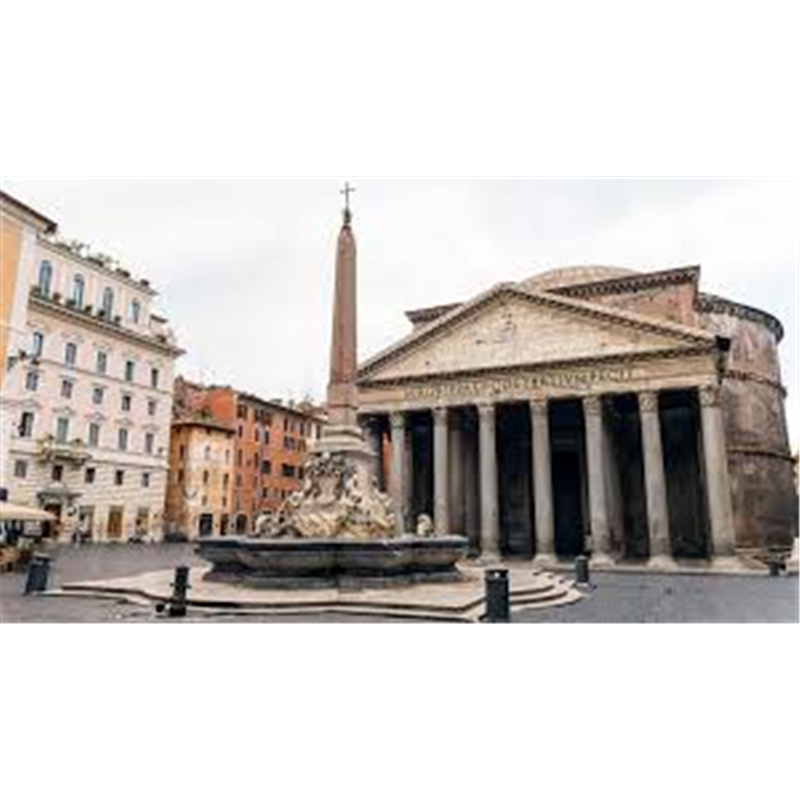 |
ZOOM Lecture Raphael died in Rome on Good Friday, 1520, aged only 37. The Pope, his most prestigious patron, was devastated and earth tremors were felt around the city. He was buried in the Pantheon – Rome’s most important classical building – a fitting tribute to an artist who rivalled the greatness of the Ancients. (He was also charming, handsome and polite – which couldn’t be said for all Renaissance polymaths.) This lecture looks at his short, but astonishing career as painter, architect, administrator and superb draughtsman and considers his lasting influence on subsequent artists. Jo Walton - Lecturer Jo Walton has combined teaching and lecturing with a career in art bookselling and has been a volunteer guide at both Tate Britain and Tate Modern. She is now a freelance lecturer for The Arts Society, the Art Fund, and Friends of Dulwich Picture Gallery and local art societies. |
|
| Thursday, 27 August 2020 |
| 'The Lindisfarne Gospels'. |
| Imogen Corrigan |
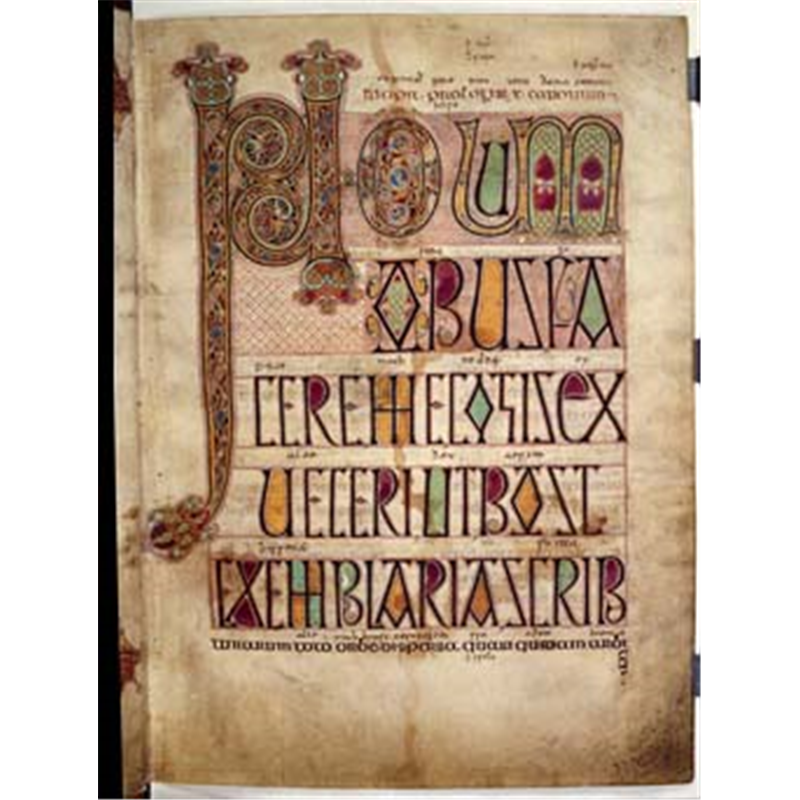 |
ZOOM LECTURE This lecture considers the extraordinary artistic ability of Eadfrith who is thought to have made the Gospels single-handedly in c.700. It also discusses why the Lindisfarne Gospels were made. The book is much more than a copy of the sacred text and a thing of beauty: it was made for distinctly political reasons that were closely connected to the fall-out from the Synod of Whitby and the struggle for survival by the once powerful community at Lindisfarne. The lecture includes discussion of the gloss added by Aldred (‘most miserable and unworthy priest’) nearly 300 years later. Imogen Corrigan
After nearly 20 years in the British army, Imogen went to the University of Kent to study Anglo-Saxon & Medieval History and Art, graduating with 1st class honours, followed by an MPhil from the University of Birmingham. She works as a freelance lecturer across Britain and Europe as well as lecturing on small cruise ships and running study tours and courses on land. The Zoom link will be sent to you in a Mailchimp email on Tuesday 25th August 2020. |
|
| Thursday, 11 June 2020 |
| Searching for Shakespeare |
| Jane Tapley |
 |
400 years on and Shakespeare remains the most famous Englishman in the world. Here we explore his life, influences of the Elizabethan age and how his work impacted the global stage. Learn what the first open-air theatres were like, how popular his plays were with his contemporary audiences, how his plays survived and who saved them. Lecturer: Jane Tapley Currently Special Events Organiser, Theatre Royal Bath. Interviews visiting actors, writers, directors. Lectures regularly to theatre going societies, NT and history and fine arts groups. West Country Tourist Board Registered Blue Badge Guide and Lecturer. Author and researcher of theatre programme notes on Hamlet, Sheridan's The Rivals and Jane Austen's Emma. Theatrical landlady! Home Economist. Consultant to various TV productions of Jane Austen adaptations on food in the 18th and 19th centuries. Hosts and cooks period meals in her Regency house in Bath for the Jane Austen Festival and other literary groups. |
|
| Thursday, 14 May 2020 |
| Knight Errant: The Life and Adventures of William the Marshall |
| Rupert Willoughby |
 |
A talk celebrating a key figure in the age of Magna Carta. Reckoned by a contemporary to be ‘the best knight who ever was or will be’, William was the classic knight errant, who made his name – and a fortune in ransoms – on the tournament circuit in northern France. Such was William’s renown that he rose to be Regent of England during the minority of Henry III, uniting the nation and saving the English monarchy. Rupert compares William’s verse biography with the Arthurian romances of his contemporary, Chrétien de Troyes, and finds fiction merging with reality. He stirringly evokes a gorgeous world in which the knights were dominant. In their coats of mail like silk shirts and their golden spurs, these were ‘the angels men complain of, who kill whatever they come upon’. Lecturer: Rupert Willoughby A prize-winning historian who specialises in the domestic and social life of the past. A graduate with First Class Honours in History from the University of London, he is the author of the best-selling Life in Medieval England for Pitkin, of guides to castles owned by English Heritage and Hampshire County Council, and of a series of popular histories of places, including Chawton: Jane Austen’s Village and Basingstoke and its Contribution to World Culture. He contributes regular obituaries to The Times and The Daily Telegraph, writes privately-commissioned histories of houses, and is an experienced lecturer - and occasional broadcaster - on a broad range of topics, with a particular interest in architecture, interior decoration and costume. |
|
| Thursday, 16 April 2020 |
| The Astonishing Mr Mozart Comes to London |
| Graham Griffiths |
 |
This presentation tells of the Mozart family’s residence in London (1764-5) during which time the 8-year-old Wolfgang Amadeus – already a prolific composer – amazed the royal guests of George III and performed musical tricks in pubs (and was even the subject of medical research). All this is described with surprising images of 18th century Chelsea and of Mozart’s earliest musical handwriting. Furthermore, Dr Griffiths illustrates his talk at the piano* with explanations and performances of over a dozen of Mozart’s witty miniatures. The equally-astonishing Polonaise melancolique by Mozart’s own child-prodigy Franz Xaver (whom he never knew) brings the presentation to an emotional conclusion. N.B. This is the ideal introduction to the inimitable style of Griffiths’s presentations where the experienced concert-goer and the musical new-comer are informed and entertained in equal measure. Lecturer: Graham Griffiths Lecturer, conductor, pianist, composer. Music Research Fellow (City, University of London). DPhil., Musicology (Christ Church, Oxford, 2008), PGCE (Cambridge), BMusHons (Edinburgh). Musical Director Grupo Novo Horizonte de Sao Paulo (featured on BBCR3); lectures, concerts, and recordings (UK, Denmark, Brazil, Russia); Guest of The British Council; University lecturing (UK) at Bath, Bristol, Canterbury (Christchurch), City (London), Oxford. Author: Stravinsky’s Piano: Genesis of a Musical Language (Cambridge, 2013/2015; ‘Kaschperowa, Leokadiya’ in Instrumentalistinnen-Lexikon-online (Bremen: Sophie Drinker Institut, 2018). Editor: Stravinsky in Context (Cambridge, 2020); Contributor to The Stravinsky Encyclopedia (Cambridge, forthcoming); Strawinsky Abécédaire (ed. Marie Strawinsky) (Geneva: Editions Slatkine, 2018). |
|
| Thursday, 12 March 2020 |
| Temples, Tombs and Treasures. In Search of the Queen of Sheba |
| Louise Schofield |
 |
Louise Schofield is an archaeologist who was Curator of Greek Bronze Age and Geometric Antiquities at the British Museum from 1987-2000. Her book, The Mycenaeans, was co-published by the Getty Museum and the British Museum in 2007. She now writes, lectures and runs international archaeological projects - previously in south-eastern Turkey, Greece and Albania and currently in Ethiopia. And rather wonderfully she has just been appointed Visiting Professor of Archaeology at the American University of Rome. |
|
| Thursday, 13 February 2020 |
| Tapestries of the Courts of Europe, Ancient and Modern |
| Susan Kay-Williams |
 |
Chief Executive of the Royal School of Needlework, based at Hampton Court Palace. A Fellow of the Royal Society of Arts and the Chartered Institute of Marketing and in 2015 was made a Fellow of the Society of Dyers and Colourists in recognition of her work on the history of dyes. Susan has a longstanding interest in textiles, especially colour, and published her first book, The Story of Colour in Textiles (Bloomsbury) in 2013. She has extensive lecturing experience and has been invited to lecture in the USA, Canada, China, Japan and Taiwan as well as for the V&A and across the UK. |
|
| Thursday, 09 January 2020 |
| The Golden Age of Venetian Glass |
| Jane Gardiner |
 |
The stylistic development of glass produced in Venice from the late 15th century to the late 17th century, seen through actual objects and through paintings. During this lecture, we will look at the early history of glassmaking in Venice, the material itself and the techniques involved in forming and decorating the pieces. We will discuss the early fashion for richly coloured and enameled glass, the sources of inspiration behind the forms and the decoration, who would have owned the pieces and how they would have been used or displayed. We will also consider the desire for luxury objects in the Renaissance, the new liking in the 16th century for clear glass or cristallo and the fashion for fine glass drinking vessels which followed on from this. Finally, we will examine the spread of this fashion throughout Europe, the resulting trade and the gradual spread of glassmaking skills to other parts of Europe. |
|
| Thursday, 12 December 2019 |
| The Twelve Days of Christmas |
| Peter Medhurst |
 |
Peter Medhurst’s work as singer, pianist and lecturer-recitalist has taken him all over the world, and in the last few years he has toured New Zealand, Australia (twice) and South Africa (four times), and made frequent tours in Europe, giving performances in Berlin, Hamburg, Vienna, Salzburg, Brussels, Antwerp, Amsterdam, Paris and Spain. Closer to home, he has presented events at the Barbican, St John’s Smith Square, and the Royal Festival Hall on The Beethoven String Quartets, Mozart Operas, Vermeer’s Music Lesson, The Twelve Days of Christmas, The Golden Age of Vienna, and 18th Century Venetian Art and Music. He has also directed presentations at the Wallace Collection, the National Gallery, the National Portrait Gallery and the V&A, linking the visual arts with the world of 17th & 18th century music making. |
|
| Thursday, 14 November 2019 |
| Rembrandt: Family, Faces and Friends |
| Hilary Williams |
 |
Rembrandt Alone among the famous artists of the 17th Century, Rembrandt did not go to Rome. He stayed in Amsterdam, vying with his great contemporary Rubens, to be a “History” painter. To earn his living, he specialised in portraiture, in which he gained great success. Lecturer: Hilary Williams M.A. Formerly Print Room Superintendent at the British Museum, now Art History Education Officer & NADFAS Liaison Officer at The British Museum. Hilary lectures for the British Museum, London Borough of Bexley and the Wallace Collection.
She is founding Artistic Director of North Kent Evening DFAS.
Another of her roles is guiding Special Interest Private Tours of the State Apartments at Buckingham Palace.
|
|
| Thursday, 10 October 2019 |
| Peasant Pastimes? The Art of Pieter Bruegel |
| Sophie Oosterwijk |
 |
|
|
| Thursday, 12 September 2019 |
| The Science and Art of Colour in Garden Design |
| Timothy Walker |
 |
Dr Timothy Walker I was born and brought up in South Buckinghamshire and at the age of 13 went to school in Abingdon. From there I read Botany at University College Oxford. Upon graduation, I worked for two years as a trainee at the University of Oxford Botanic Garden. I then took a National Certificate in Horticulture at Askham Bryan College York. This was followed by a one-year traineeship at the Savill Garden Windsor, and 15-months as a diploma student at the Royal Botanic Gardens Kew. In 1995 I was awarded a Master of Horticulture by the Royal Horticultural Society of London. From January 1986 to July 2014 I worked at the University of Oxford Botanic Garden & Harcourt Arboretum, firstly as General Foreman, then as Horti Praefectus (from 1988) and finally as Director (from 2002). Between 1992 & 2000 the OBGHA won 4 gold, 2 silver-gilt, and one silver medal at the Chelsea Flower Show London. In 2009 the OBGHA was one of seven Oxford collections to be awarded a Queen’s Anniversary Prize. The University’s museums, libraries and archives are an exceptional resource, accessed by more than two million people each year. Now resources from seven institutions – including the Botanic Garden, Harcourt Arboretum, the Ashmolean Museum, and the Bodleian Library – are being taken out to local schools, shopping centres and other public places. The programme provided imaginative educational programmes for researchers, learners, children and the general public, thereby breathing new life into education for people of all ages and enriching their lives. Since 1986 I have been giving lectures to gardening clubs, horticultural societies, WIs, and many other types of group. I have given more than 1,500 talks in Britain, Ireland, North America, and Australia to more than 100,000 people in audiences ranging from 20 to 350. Since 1992 I have been a research lecturer in the Department of Plant Sciences Oxford and I lecture to all three years of the Biological Sciences course. Some of these lectures are the basis of my public lectures. From 1994 I was a non-stipendiary college lecturer in Plant Conservation at Somerville College Oxford and I held a similar position at Pembroke College Oxford since 2007. In 2010 I was elected as a Fellow of the Linnaean Society of London. From August 2014 I have been a stipendiary lecturer in Plant Sciences at Somerville College, Oxford, and I now hold similar positions at Pembroke College and Hertford College. |
|
| Thursday, 13 June 2019 |
| William Morris 1834-96: The Arts and Crafts - Man and Message |
| Denis Moriarty |
 |
William Morris 1834-96: The Arts and Crafts - Man and Message Lecturer: Denis Moriarty
Denis Moriarty is a lecturer and Study Course director who spent most of his early working life as a BBC television producer. He was educated at Reading School, and after national service as an infantry officer in the Royal Berkshire regiment in Germany, read history at St John's College, Oxford. He joined the BBC in 1959, and after a short period in radio and personnel, became a director and producer in television Music and Arts. His programmes included the series on ENGLISH TOWNS with Alec Clifton-Taylor, FACE THE MUSIC with Joseph Cooper and Joyce Grenfell, ONE HUNDRED GREAT PAINTINGS, EDWIN LUTYENS MASTER ARCHITECT, THE TRIUMPH OF THE WEST, and films on Egypt in the CHRONICLE and TIMEWATCH series. He lectures widely for the National Association of Decorative and Fine Arts Societies – NADFAS –, visiting many societies in the United Kingdom, on the continent, and in Australia; he also addresses meetings of the National Trust, English summer festivals, civic and literary societies. He directs study courses at music festivals at home and abroad – Prague, Salzburg, Schwarzenberg (Austria) Vienna and Finland, and leads architectural and historical tours in England, to France, Italy, Portugal, Malta, the Azores, Sri-Lanka, north and south India, and east coast America. He has also worked in Egypt, Mexico and Latin America. Denis Moriarty's prime interests are music - he sang for a number of years in the Philharmonia Chorus – and architecture; he has a special love of England and its churches and enjoys long walks in the countryside. He is a keen opera and theatre-goer, and at university performed in plays and revue with among among others, Dudley Moore. Denis Moriarty is a former Mayor of Henley-on-Thames and was twice a parliamentary candidate in the two general elections of 1974. He lives in central London. Denis Moriarty edited Alec Clifton-Taylor's papers and architectural notes for a posthumous publication |
|
| Thursday, 09 May 2019 |
| A History of London's Royal Parks |
| Paul Rabbitts |
 |
A History of London's Royal Parks
London's royal parks are among its most beautiful and beloved spaces: just as much as the Houses of Parliament, Buckingham Palace or St Pancras Station, the mere mention of Hyde or Regent's Park is enough to evoke the capital in all its glory for residents and tourists alike. They have a grand history - some were royally owned as far back as the Norman conquest, others were acquired by Henry VIII during the Reformation - and since being opened to the public during the eighteenth century, they have hosted some of London's great events, including the Great Exhibition and innumerable jubilees and celebrations. This lecture tells the story of all eight of the parks from the point when they were acquired by the monarchy until the present day, including the major historic moments and events with which they are associated. Lecturer: Paul Rabbitts
Paul Rabbitts graduated at Sheffield with a BA Honours in Geography followed by a Masters Degree in Landscape Architecture at Edinburgh. He is a qualified landscape architect and park manager and has worked for several local authorities across the UK. He is a passionate advocate for public parks and in particular the Victorian and Edwardian bandstand and is a prolific author on the subject. His first of 14 books were published in 2011 on the iconic bandstand and was followed rapidly by books on the Royal Parks, our Great British Parks and most recently on ‘Parkitecture’, as well as some of our greatest park designers. He is now working on a biography of Sir Christopher Wren. Now a UK leading expert on bandstands he has been asked to assist in localised restoration projects nationwide and has been a regular and popular speaker on bandstands and public parks for many years. |
|
| Thursday, 11 April 2019 |
| Tantrums and Tiaras |
| Nigel Bates |
 |
Tantrums & Tiaras
This lecture takes a look at life backstage at London's Royal Opera House and the tribulations and triumphs of working with The Royal Opera and The Royal Ballet companies. We look at the way artistic inspirations, the people involved and the very special Victorian building all function together to create world-class opera and ballet in a unique environment. Includes several performance video clips. Lecturer: Nigel Bates
is the Music Administrator of The Royal Ballet and has been a performer for nearly forty years in and out of the Royal Opera House, including seventeen years as Principal Percussionist with the Orchestra. He has worked with many of the leading figures in the classical music industry and was also a producer for both the BBC's Maestro at the Opera and Pappano's Classical Voices documentary series. He is a regular contributor to the printed and online content of the ROH. He has given lectures for over twenty years, including arts societies and conservatoires in the UK and across Australia. |
|
| Thursday, 14 March 2019 |
| Jewellery in the Age of Victoria: A Mirror to the World |
| Judy Rudoe |
 |
Jewellery in the Age of Victoria: A Mirror to the World
This lecture grows out of my latest book, Jewellery in the age of Queen Victoria: a mirror to the world (2010), which I have spent 30 years researching and 3 years writing, together with Charlotte Gere. Queen Victoria played a huge role: what she wore and did had tremendous impact, so what might seem a narrow subject acts as a key to our understanding of the entire Victorian age – its mourning rituals, its politics, its nationalism, the study of nature and developments in science - all are embodied in its jewellery. My approach is one that seeks to understand the 19th century through its jewellery by looking at what jewellery meant to the people who wore it, revealing how it was used for both public and private purposes. It shows how jewellery responded to historical and topical events: the resources of the web have produced a vast amount of information of a type I never dreamt I could find - jewellery with fish scales, or electrical batteries that enabled a death’s head to gnash its teeth and roll its eyes, and why there was a craze for Colorado beetles in 1877. Lecturer: Julie Rudoe
Since 1974 curator at the BM, specialising in jewellery, and in 19th-20th century decorative arts. Author of Cartier 1900-1939 (BM 1997) and organiser of the Cartier exhibition at the BM, co-author of the Catalogue of the Hull Grundy Gift of Jewellery (BM 1984), contributor to the Catalogue of Micromosaics in the Gilbert Collection (2000). Her latest book, Jewellery in the Age of Victoria, co-authored with Charlotte Gere, was published in 2010 and won the 2011 William Berger Prize for British Art History. She is a Freeman of the Goldsmiths' Company and a Fellow of the Society of Antiquaries. |
|
| Thursday, 14 February 2019 |
| The Goldsmiths Company |
| Ian Pickford |
 |
The Goldsmiths Company Ian Pickford
Freeman of the Goldsmiths' Company, Freeman of the City of London. Lecturer University of London, University of Surrey, V&A, National Trust, The Art Fund. Broadcasts on both television and radio. Author. Editor Jackson's Silver & Gold Marks. Visits available to collections of silver throughout the UK - in museums, livery companies, colleges, cathedrals and corporate collections. |
|
| Thursday, 10 January 2019 |
| Leonardo da Vinci at the Court of Milan |
| Shirley Smith |
 |
Leonardo da Vinci at the Court of Milan
In 1481 Leonardo da Vinci wrote offering his services to Ludovico Sforza, the powerful ruler of Milan. Having listed his expertise in designing war machines, bridges and excavating equipment, he added that in time of peace, he could pass muster as a painter. Fortunately he was given a chance for his painting of the Last Supper, the Virgin of the Rocks and his stunning portraits of Ludovico’s family, mistresses and court are amongst the most famous works of art of all time. As a background to the exhibition of Leonardo da Vinci, Painter at the Court of Milan, this lecture will study these works of Leonardo and how they pushed the boundaries of art to a new level. Shirley Smith
Graduated from the University of East Anglia with a first class honours degree in the History of Art, specialising in the Italian and Northern Renaissance. She is a Fellow of the Royal Society of Arts and a part-time lecturer for the University of East Anglia and for the Department of Continuing Education of the University of Cambridge. Has run study days and certificate courses as well as residential weekend courses. Also lectures to the Art Fund and individual clubs and societies. She is particularly keen to set the art and architecture of the period in the context of the society for which it was produced. |
|
| Thursday, 13 December 2018 |
| The Journey of the Magi: 1700 Years of the Three Kings |
| Christopher Herbert |
 |
The Journey of the Magi: 1700 Years of the Three Kings
From the earliest days of Christianity the story of the Three Kings has fascinated story-tellers and artists alike. This lecture traces the ways in which artists across the centuries have chosen to represent the Magi. It is especially suitable for Christmas, but can be used at other times with equal interest.
Christopher Herbert
Has lectured at the National Gallery, the Courtauld Institute, King’s College, London, Westminster Abbey, and the University of Rikkyo in Japan, and at churches and cathedrals throughout England and in Italy. Was until recently Bishop of St Albans and a member of the House of Lords. He has an MPhil and PhD in Art History from the University of Leicester. Created Visiting Professor in Christian Ethics in the School of Medical Sciences at the University of Surrey, and has also been awarded two honorary doctorates and is an honorary citizen of Fano, Italy.
|
|
| Thursday, 08 November 2018 |
| The War to End All Wars: The Art of World War 1 |
| Frank Woodgate |
 |
The War to End All Wars: The Art of World War 1 The horrors of the First World War had a profound effect on the artists who fought in it, and they produced powerful images of the war and its aftermath. In the 1920s, many artists on the allied side returned to traditional subjects such as tranquil landscapes, while German artists produced powerful polemics against post-war deprivation, the treatment of war wounded and rising militarism. This lecture examines the art of both sides before, during and after the war which was expected ‘to be over by Christmas’. Frank Woodgate is a lecturer and guide at Tate Britain and Tate Modern, and for Tate on cruises. He also lectures at Dulwich Picture Gallery and is a scriptwriter for the Living Paintings Trust (art for the blind and partially-sighted). The Menin Road, 1919, by Paul Nash courtesy of the Imperial War Museum, Art.IWM ART 2242 Frank Woodgate Lecturer and guide at Tate Britain and Tate Modern, lecturer for the Art Fund, the National Trust, U3A and other organisations. Lecturer to The Arts Society (formerly NADFAS) throughout Britain, and to related organisations in Europe, Australia and New Zealand. Lecturer and runs courses at the Pallant House Gallery, Chichester. |
|
| Thursday, 11 October 2018 |
| J M W Turner: Tradition and Innovation |
| Lois Oliver |
 |
This Lecture is preceded by The Annual General Meeting, so will start promptly at 11.00am and finish at 12.30pm 11.00am J M R Turner: Tradition and Innovation Turner revolutionised 19th century painting and is recognised as one of the founders of modern art, yet his work was rooted in his knowledge of the Old Masters. It was their work that motivated him in his quest for originality, and his determination that he too would one day be ranked among the great masters. This lecture juxtaposes Turner’s paintings with masterpieces that inspired him (by artists including Claude, Poussin, Rubens, Titian and Van der Velde) and shows how his keen sense of rivalry drove him to compete not only with his predecessors but also his contemporaries, notably John Constable and David Wilkie.
Lecturer: Dr Lois Oliver
Lois Oliver is an Art Historian with extensive experience as a Lecturer, Curator and Exhibition Organiser. She studied English Literature at Cambridge University, and History of Art at the Courtauld Institute, completing an MA in Venetian Renaissance Art and writing her doctoral thesis on ‘The Image of the Artist, Paris 1815-1855’. She spent a decade working in museums, initially at the Harvard University Art Museums, before joining the curatorial team at the V&A and then the National Gallery in London, where she curated several exhibitions and contributed to major re-displays of the collections. Currently Associate Professor in History of Art at the University of Notre Dame (USA) in London and a Visiting Lecturer at the Courtauld Institute, she lectures for arts organisations throughout the UK, and writes specialist audio interpretation for clients including the National Gallery, National Maritime Museum, Royal Academy, Royal Collection and Tate. She has appeared on a number of TV programmes for the BBC and Channel 5, as well as broadcasting on BBC Radio 3 and BBC Radio 4. Also a keen violinist, she plays regularly with orchestras including the Endellion Festival Orchestra. |
|
| Thursday, 13 September 2018 |
| Emperor Qianlong: The Ultimate Renaissance Man |
| Lecturer: David Rosier |
 |
Emperor Qianlong This talk is about Emperor Qianlong, one of China’s greatest and most fortunate emperors. He became Emperor at the age of twenty- five, ruled for sixty years from 1735 to 1796 and lived to the age of eighty-nine. (He ceded the throne in 1796). European rulers who also ruled during his reign include Catherine the Great of Russia, Frederick the Great of Prussia, Louis XV and XVI of France, and George II and III of Great Britain.
In Imperial China the Emperor was called the Son of Heaven (Tianzi) and was often referred to as the True Dragon (Zhen Long).
Emperor Qianlong was arguably the greatest of all Qing Emperors as he guided China through a period of unquestionable political, economic and cultural prosperity which rivalled any comparable period of high achievement in Chinese history.
Territorially Qianlong added more than 30 per cent of land-mass to the Empire through successful military campaigns and astute diplomacy. He was passionate about preserving Manchu culture whilst respecting and nurturing other ethnic Chinese cultures. Qianlong travelled his Empire regularly undertaking lavish expeditions to the South and West designed to forge loyalty to his Imperial rule.
Despite all these successes as a ruler it is in the fields of the sciences, arts and culture that Qianlong made the greatest contribution to China’s heritage.
Qianlong was a noted scholar who during his lifetime wrote and published over 43,000 poems, painted on virtually a daily basis and was accomplished in the art of calligraphy.
It was perhaps as a Collector of Fine Art that Qianlong created his greatest legacy. He amassed a treasure trove of hundreds of thousands of works of art from previous dynasties or which represented the finest current workmanship. His collection spanned all genres of the arts including paintings, porcelain, jade, textiles, enamelling, ivory carvings and snuff bottles.
This lecture will provide an insight into Qianlong not only as a successful Emperor of China but also as a scholar and ‘This talk is about Emperor Qianlong, one of China’s greatest and most fortunate emperors. He became Emperor at the age of twenty- five, ruled for sixty years from 1735 to 1796 and lived to the age of eighty-nine. (He ceded the throne in 1796). European rulers who also ruled during his reign include Catherine the Great of Russia, Frederick the Great of Prussia, Louis XV and XVI of France, and George II and III of Great Britain.
In Imperial China the Emperor was called the Son of Heaven (Tianzi) and was often referred to as the True Dragon (Zhen Long).
David Rosier David Rosier A Chartered Insurer by profession and a Fellow of the Assurance Medical Society, with extensive international experience as an author and lecturer in Medical Risk Assessment. He has in excess of 25 years of working and living in Asia. Whilst living in Hong Kong (1991-2004) he assembled a collection of approximately 700, predominately Qing Dynasty (1644-1911), Imperial and related textiles/costume accessories. Past Committee Member of the Hong Kong Textile Society and frequent speaker on Imperial Insignia and Badges of Rank. |
|